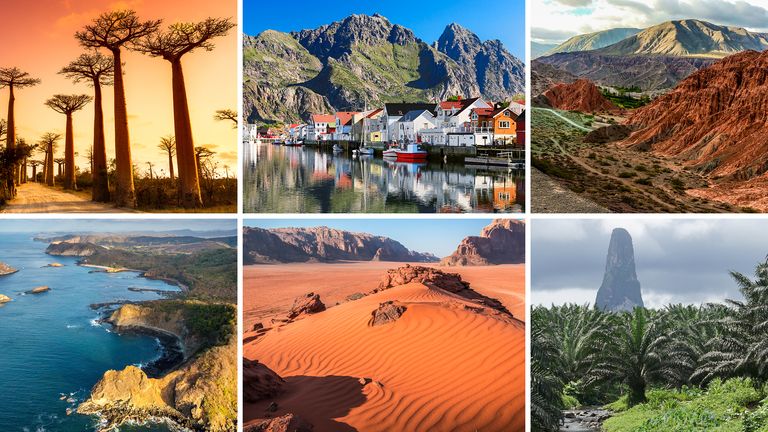
Luxury Redefined: Where Opulence Meets Unforgettable Moments in the World’s Finest Hotels

The Evolution of Luxury in Hospitality
Luxury in the modern world has transcended mere extravagance; it has become an art form that blends opulence with personalization, creating experiences that linger in the memory long after the stay has ended. Gone are the days when a plush bed and a bottle of champagne sufficed. Today’s finest hotels redefine luxury by curating environments where every detail is meticulously crafted to evoke emotion, awe, and a profound sense of exclusivity. The shift from traditional grandeur to experiential luxury has been driven by discerning travelers who seek not just comfort, but transformation—moments that feel like stepping into a realm where time slows down, and indulgence knows no bounds. This evolution reflects a deeper understanding of what truly captivates the human spirit: the fusion of unparalleled service, breathtaking design, and the intangible magic of being truly, utterly catered to.
The Hallmarks of Unforgettable Luxury Hotels
While luxury is subjective, certain elements universally elevate a hotel from exceptional to extraordinary. These are the defining features that set the world’s finest properties apart, transforming a stay into an unforgettable chapter in one’s life. Below are the non-negotiables that define modern opulence in hospitality:
The Art of Personalization
True luxury begins with the understanding that no two guests are alike. The most revered hotels invest deeply in anticipating desires before they are articulated. This might manifest in a butler remembering a guest’s preferred pillow type, a private chef preparing a dish from a childhood memory, or a concierge arranging a surprise reunion with a long-lost friend. Personalization extends beyond mere service—it is an intimate dance between the hotel and the guest, where every interaction feels like a whispered secret rather than a transaction. Technology plays a role, too, with AI-driven systems analyzing past preferences to tailor everything from room temperature to the morning newspaper delivered at the exact hour the guest wakes.
Architectural and Interior Mastery
A hotel’s design is its first and most enduring impression. The world’s most luxurious properties are not just buildings; they are architectural marvels and immersive works of art. Think of the serene minimalism of Aman’s desert retreats, where natural materials and open spaces create a sense of harmony with the environment. Or the bold, avant-garde interiors of the Bulgari Hotel in Milan, where every surface tells a story of Italian craftsmanship. Lighting, too, is an unsung hero—warm, layered illumination that shifts subtly throughout the day to evoke different moods. Even the smallest details, like handwoven textiles or bespoke furniture, contribute to an atmosphere that feels both exclusive and deeply welcoming.
Culinary Excellence as a Cornerstone
Dining in a luxury hotel is no longer about sustenance; it is about gastronomic journeys that transport guests to other worlds. Michelin-starred restaurants helmed by celebrity chefs are a given, but the true magic lies in the unexpected. Picture a midnight picnic on a private beach in Bora Bora, prepared by a chef who sources ingredients from the surrounding lagoon. Or a wine-pairing dinner in a vaulted cellar beneath a historic palace, where each course is introduced with a tale of provenance. Many elite hotels also offer immersive culinary experiences, such as truffle hunting in the Italian countryside or masterclasses with a three-Michelin-starred chef. The best hotels understand that food is not just fuel—it is an emotional experience, a way to connect with culture, history, and the self.
Wellness and Rejuvenation
Luxury today is synonymous with holistic well-being, where indulgence and rejuvenation are seamlessly intertwined. The finest spas are not merely places to relax; they are sanctuaries of transformation. Imagine a treatment room suspended over the Indian Ocean, where the sound of waves lulls you into a state of bliss during a customized Ayurvedic massage. Or a thermal circuit in a Swiss alpine retreat, where each temperature-controlled pool and sauna is designed to detoxify the body and soothe the mind. Many luxury hotels also integrate cutting-edge wellness technologies, such as cryotherapy chambers, biohacking suites, or meditation pods with neuroacoustic sound therapy. The goal is not just to pamper, but to restore—leaving guests feeling as though they have been reborn.
Exclusivity and Seclusion
At the heart of luxury lies exclusivity—the knowledge that one is experiencing something few others will ever encounter. The world’s most sought-after hotels often operate on a membership model, a private club atmosphere, or are situated in the most remote and pristine locations. Consider the private island resorts of the Maldives, where guests arrive by seaplane to find a villa with a glass floor, an overwater spa, and a personal butler trained to anticipate every need. Or the ultra-luxury lodges of Patagonia, where the nearest town is a day’s journey away, and the only sounds are the wind through the mountains and the crackling fire in your suite. Exclusivity is not about snobbery; it is about creating an environment where guests can truly disconnect, free from distractions, and reconnect with themselves and their loved ones.
Destinations Where Luxury Knows No Bounds
The quest for the ultimate luxury experience takes travelers to some of the most breathtaking corners of the globe—places where natural beauty and human ingenuity converge to create something extraordinary. Below are a few destinations that have redefined opulence, each offering a unique flavor of unforgettable luxury.
The Maldives: Overwater Elegance in Paradise
The Maldives is the epitome of a utopian escape, where the idea of luxury is defined by privacy, seclusion, and the hypnotic dance of turquoise waters. Here, luxury is not measured in square footage, but in the number of steps it takes to reach the ocean from your villa. Properties like the Soneva Jani with its iconic water villas featuring retractable roofs, or the Conrad Maldives Rangali Island with its underwater restaurant, offer experiences that blur the line between fantasy and reality. Guests can snorkel with manta rays at dawn, enjoy a private cinema under the stars, or indulge in a couples’ massage on a sandbank floating above the lagoon. The Maldives is where luxury becomes a way of life—where time stands still, and every moment feels like a gift.
Swiss Alps: Alpine Grandeur and Serene Sophistication
For those who seek luxury amidst towering peaks and crisp mountain air, the Swiss Alps offer a different kind of opulence—one rooted in tradition, adventure, and unparalleled craftsmanship. The Bürgenstock Resort, perched high above Lake Lucerne, is a masterclass in alpine luxury, featuring a lavish spa by La Prairie, a wine cellar stocked with rare vintages, and private funiculars to whisk guests up the mountain. Further east, the Rosewood Le Rosey in Gstaad combines old-world charm with modern flair, offering guests access to private ski instructors, helicopter tours over the Eiger, and gourmet dining in a chalet that feels like a home away from home. In the Alps, luxury is about embracing the grandeur of nature while indulging in the finest comforts humanity has to offer.
Kyoto, Japan: Where Tradition Meets Transcendence
Luxury in Kyoto is not about ostentation; it is about depth, silence, and the quiet art of living well. The city’s traditional ryokan, such as the Hoshinoya Kyoto or the Aman Kyoto, offer an immersive journey into Japanese hospitality, where guests are enveloped in the art of *omotenashi*—the spirit of selfless service. Stay in a tatami-mat room with a private onsen, where the steaming waters carry away the stresses of modern life. Dine on *kaiseki* cuisine, a multi-course meal where each dish is a masterpiece of seasonal ingredients. Participate in a tea ceremony or a calligraphy lesson led by a master. In Kyoto, luxury is about slowing down, savoring each moment, and finding beauty in the ephemeral.
Dubai, UAE: Futuristic Extravagance
Dubai is the playground of the hyper-ambitious, where luxury is defined by audacity, innovation, and the relentless pursuit of the extraordinary. The Burj Al Arab, with its sail-shaped silhouette and butler service for every guest, is a symbol of Dubai’s commitment to redefining opulence. Here, guests can dine in the world’s only 7-star restaurant suspended 200 meters above the city, or take a helicopter tour over the Palm Jumeirah’s man-made islands. The Armani Hotel, designed by Giorgio Armani himself, offers understated elegance in a skyscraper that pierces the sky. Beyond the skyline, the desert beckons with private dune bashing, camel treks under the stars, and lavish Bedouin-style camps where the night sky is so clear it feels like the universe is within reach. Dubai is where luxury meets the future—bold, boundary-pushing, and utterly unforgettable.
The Future of Luxury: What’s Next on the Horizon?
The world of luxury hospitality is in a constant state of evolution, with new trends and innovations shaping the way guests experience opulence. Several key developments are poised to redefine luxury in the coming years, ensuring that the pursuit of unforgettable moments remains as dynamic as the travelers who seek them.
Sustainability as the New Standard
Luxury and sustainability are no longer mutually exclusive; in fact, the most discerning travelers now expect their indulgence to come with a conscience. The future of luxury lies in properties that prioritize environmental stewardship without compromising on opulence. This might mean a resort in Costa Rica that runs entirely on renewable energy, or a ski chalet in the Alps that uses geothermal heating to reduce its carbon footprint. Guests are increasingly drawn to hotels that give back to their communities, whether through supporting local artisans, implementing zero-waste policies, or offering eco-conscious excursions like wildlife conservation tours. Luxury, in this context, is not just about personal gratification—it is about leaving a positive imprint on the world.
Technology as a Silent but Powerful Partner
While technology has long been a part of luxury hospitality, its role is becoming more sophisticated and unobtrusive. The future lies in seamless integration—where smart systems anticipate needs without ever feeling intrusive. Imagine a room that adjusts its lighting, temperature, and even scent based on your biometric data, or a virtual reality concierge that can transport you to a Parisian café or a Venetian canal without leaving your suite. Augmented reality could soon allow guests to explore a hotel’s history through interactive overlays, while biometric check-ins eliminate the need for traditional front desks entirely. The goal is to enhance the guest experience without ever making technology the centerpiece—because luxury is, at its core, about human connection.
Another technological frontier is the rise of “smart suites” that adapt to individual preferences in real time. Artificial intelligence could curate personalized itineraries, suggest wellness activities based on mood analysis, or even arrange surprise encounters with like-minded travelers. The key will be ensuring that these innovations serve to deepen the sense of exclusivity and personalization, rather than detracting from the human touch that defines true luxury.
The Rise of “Slow Luxury”
In a world that moves at an increasingly frenetic pace, the next wave of luxury is about slowing down—not out of necessity, but by choice. “Slow luxury” is the antithesis of the fast-paced, checklist-style travel that has dominated in recent decades. It is about savoring, lingering, and immersing oneself in the present moment. This trend is reflected in the growing popularity of extended stays at remote retreats, where guests unplug from technology and reconnect with themselves and their surroundings. Properties like the Six Senses in Thailand, with its emphasis on digital detox retreats, or the Post Ranch Inn in Big Sur, where yoga and meditation are woven into the daily rhythm, are leading this movement.
The slow luxury ethos also extends to dining, with hotels offering multi-day culinary retreats led by master chefs, or wellness programs that span weeks rather than days. The idea is to create a sense of timelessness, where the outside world feels distant, and every moment is savored like a rare vintage. In this context, luxury is not about ticking off bucket-list experiences; it is about depth, presence, and the quiet joy of simply being.
Hyper-Personalization Through Data and Intuition
As luxury hotels gather more data on their guests, the ability to personalize experiences will reach new heights. The future lies not in generic upgrades or pre-programmed preferences, but in the hotel’s ability to intuitively understand a guest’s desires before they do. This could involve analyzing past travel behaviors to predict future needs, or using predictive analytics to offer bespoke recommendations based on mood, weather, or even social media activity. For example, a hotel might suggest a spontaneous hot-air balloon ride at sunset because the AI recognizes that the guest has been stressed, or arrange a private concert in their suite after noticing their love for a particular musician.
However, the most advanced forms of hyper-personalization will rely on human intuition as much as data. The world’s best butlers, concierges, and wellness experts are trained to read subtle cues—whether it’s the way a guest lingers at the breakfast buffet, the tone of their voice during check-in, or the books they browse in the hotel library. The fusion of cutting-edge technology and old-world hospitality will create experiences that feel almost clairvoyant, where the hotel seems to know the guest better than they know themselves.
Creating Your Own Unforgettable Luxury Moment
While the world’s finest hotels offer a gateway to extraordinary experiences, crafting your own moment of luxury requires intention and a willingness to embrace the extraordinary. Whether you’re planning a once-in-a-lifetime celebration, a romantic escape, or a solo journey of self-discovery, the key lies in curating an experience that resonates deeply with your personal desires. Below are some steps to help you design a luxury getaway that feels tailor-made for you.
Define Your Vision of Luxury
Before booking anything, take a moment to reflect on what luxury truly means to you. Is it the thrill of adventure, the peace of solitude, or the joy of sharing special moments with loved ones? Perhaps it’s the opportunity to immerse yourself in a culture completely foreign to your own. For some, luxury is about indulgence—think private yacht charters or Michelin-starred meals. For others, it’s about transformation, whether through a wellness retreat or a spiritual journey. Write down your priorities, whether they’re big-picture goals (e.g., “I want to feel utterly rejuvenated”) or specific desires (e.g., “I want a villa with a private infinity pool overlooking the ocean”). The clearer your vision, the easier it will be to find a hotel and destination that aligns with your dreams.
Choose a Destination That Speaks to Your Soul
Luxury is not one-size-fits-all, and the best experiences are those that feel inherently *you*. If you’re drawn to the mysticism of ancient cultures, Kyoto’s temples and ryokan might be your calling. If you crave adrenaline and innovation, Dubai’s skyline and desert adventures could be the perfect fit. For those seeking solace in nature, the rugged beauty of Patagonia or the secluded beaches of the Seychelles offer an escape from the ordinary. Consider what kind of environment fuels your spirit—whether it’s the vibrant energy of a cosmopolitan city, the quiet majesty of a mountain range, or the endless horizon of the open sea. Your destination should feel like a natural extension of your desires, not just a place to visit.
Prioritize Experiences Over Possessions
In the world of luxury, experiences are the new currency. While a designer handbag may offer temporary satisfaction, the memories you create in a luxury hotel will last a lifetime. Prioritize activities that engage your senses, challenge your perspectives, and leave a lasting impression. This could mean taking a private cooking class with a local chef in Tuscany, embarking on a multi-day trek through the Himalayas, or simply spending an afternoon in a hotel’s spa with no agenda other than to be. The most unforgettable luxury moments often arise from unplanned discoveries—whether it’s stumbling upon a hidden art gallery in a European palace or striking up a conversation with a fellow guest who becomes a lifelong friend. Leave room in your itinerary for spontaneity and serendipity.
Select a Hotel That Aligns with Your Values
Not all luxury hotels are created equal, and the best ones are those that share your values. If sustainability is important to you, seek out properties with eco-certifications, carbon-neutral operations, or partnerships with local conservation efforts. If you value cultural authenticity, look for hotels that collaborate with indigenous artisans or offer immersive experiences rooted in local traditions. If exclusivity is your top priority, consider members-only resorts or properties with a small number of suites to ensure a truly private experience. Research the hotel’s philosophy, read reviews from past guests, and don’t hesitate to reach out to the concierge team with specific questions. A great hotel should feel like an extension of your personality—effortlessly aligning with your dreams and aspirations.
Embrace the Power of Anticipation
One of the most underrated aspects of luxury travel is the anticipation—the weeks or even months leading up to your departure where the excitement builds and the possibilities feel endless. Lean into this feeling by immersing yourself in the culture, cuisine, or history of your destination. Watch films set in the region, read books by local authors, or try cooking a traditional dish at home. Follow the hotel on social media to get a sneak peek of what to expect. The more you invest in the lead-up to your trip, the more meaningful every moment will feel once you arrive. Luxury is not just about the experience itself; it’s about the entire journey, from the first spark of inspiration to the lingering memories on your return.
Final Thoughts: The Art of Unforgettable Luxury
Luxury, in its truest form, is not about excess—it is about intention. It is the deliberate choice to surround yourself with beauty, comfort, and meaning, to step away from the ordinary and into a realm where every detail is designed to elevate your spirit. The world’s finest hotels understand this implicitly; they are not just places to sleep, but gateways to moments that feel like magic. Whether it’s the hush of a private onsen in Japan, the golden glow of a desert sunset in Dubai, or the quiet rustle of palm trees in the Maldives, these experiences linger in the memory long after the suitcase is unpacked.
As travelers, our pursuit of luxury is not a frivolous indulgence—it is a celebration of life’s finest pleasures. It is a reminder that we are more than our routines, our responsibilities, or our to-do lists. Luxury is an invitation to slow down, to savor, and to reconnect with what truly matters. It is about creating a life that feels rich not just in possessions, but in experiences, connections, and emotions.
So the next time you plan a getaway, ask yourself: What would make this moment unforgettable? What would make me feel truly alive? The answer might lead you to a hidden villa in the Italian countryside, a cliffside suite in Santorini, or a wellness retreat in the heart of the Amazon. Wherever your journey takes you, may it be filled with opulence, wonder, and the quiet joy of knowing you are exactly where you’re meant to be.