Budget Travel Hacks That Save You Money
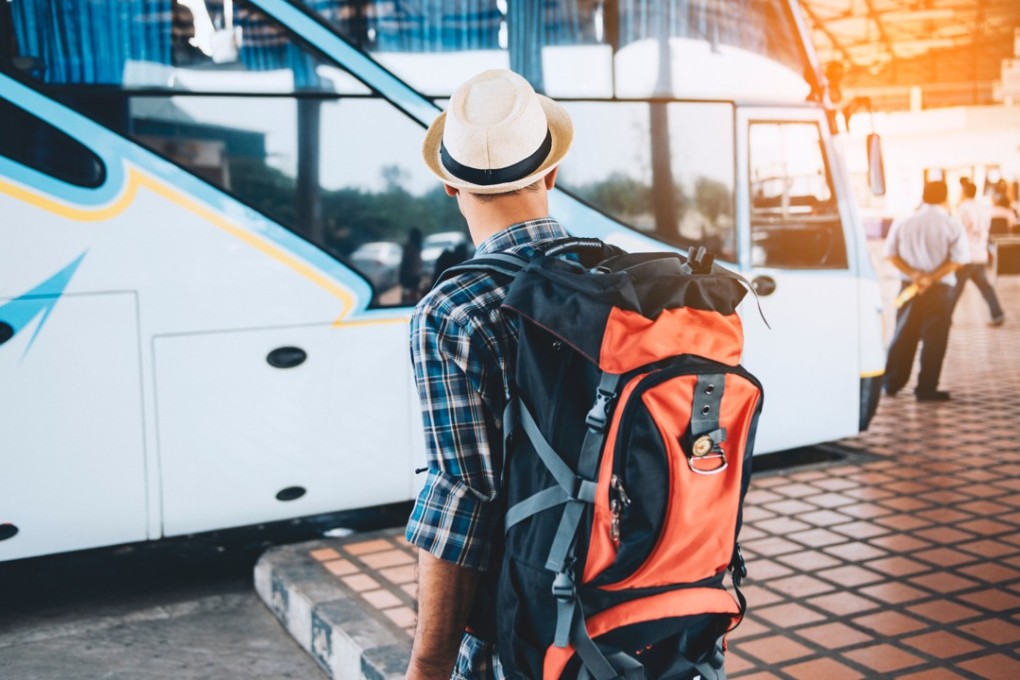
Savvy explorers often rely on a blend of strategy, flexibility, and creative thinking to preserve their budgets while still enjoying meaningful journeys. Many adopt a mindset rooted in intentional planning and mindful spending, allowing them to stretch resources without sacrificing memorable experiences. This approach to money saving travel transforms ordinary trips into finely tuned adventures defined by resourcefulness and curiosity.
Master the Timing of Bookings
One of the most powerful cost reducing techniques involves understanding timing. Airfare prices fluctuate constantly, and those who monitor trends gain a clear advantage. Booking flights several weeks before travel, particularly on midweek days, frequently yields the most economical fares. Use fare comparison platforms to track drops, and remain ready to purchase as soon as rates fall within your comfort zone. Hotels follow similar patterns. By booking early yet staying open to last minute adjustments, travelers can optimize both availability and price.
Leverage Accommodation Alternatives
Traditional hotels are convenient, but budget conscious travelers often find greater value through alternative lodging options. Guesthouses, homestays, and small family run lodges frequently offer authentic interactions and significantly lower costs. For longer journeys, short term rentals provide additional benefits such as kitchens, reducing daily meal expenses. Hostels, though simple, remain an effective choice for those prioritizing social atmosphere and affordability. Some even include complimentary breakfasts, communal kitchens, and curated local tips.
Travel Light to Reduce Fees
Packing with intention prevents unnecessary spending. Travelers who limit themselves to a compact carry on avoid baggage fees that accumulate quickly on budget airlines. This practice also enhances mobility, making transit between destinations faster and more comfortable. Choose versatile clothing pieces, minimize single use items, and focus on essentials. A lighter load not only saves money but also reduces stress during complex itineraries.
Use Public Transportation Wisely
Many cities around the world feature efficient and inexpensive public transportation networks. Local buses, trams, and metro systems offer substantial savings compared to taxis or rideshare services. Multi day transit passes provide even deeper discounts, especially for travelers expecting to cover several neighborhoods within a short period. Walking remains a valuable option as well. It costs nothing and allows travelers to discover hidden alleys, markets, and architectural details that are often overlooked.
Prioritize Local Cuisine
Eating locally is one of the most enjoyable ways to reduce travel expenditures. Street food vendors, small eateries, and traditional market stalls typically provide fresh and flavorful meals at a fraction of restaurant prices. Avoid dining in heavily touristed zones where costs are disproportionately inflated. Instead, follow the patterns of residents. Where locals gather, quality is high and prices are fair. Sampling regional dishes also deepens cultural understanding, adding richness to each day’s explorations.
Harness Free and Low Cost Activities
Many destinations offer an impressive variety of no cost or low cost activities. Public parks, historic squares, local festivals, and scenic walking routes create dynamic experiences without requiring significant spending. Numerous museums provide free entry on designated days, while cultural institutions often host community oriented events. Researching these opportunities beforehand allows travelers to design itineraries that are both enriching and economical. Even guided walking tours can be found at minimal cost, often operating on a tip based system.
Stay Flexible with Itineraries
Rigid travel plans frequently lead to unnecessary expenses. Flexibility opens the door to lower cost transportation options, spontaneous discoveries, and alternative routes that may be more economical. Being adaptable allows travelers to respond intelligently to price fluctuations, local recommendations, and seasonal conditions. Sometimes an unexpected detour becomes the most unforgettable part of a journey. Keeping itineraries loose fosters freedom and aligns spending with the realities encountered along the way.
Embrace Travel Apps and Digital Tools
Digital aids offer tremendous value when budgeting. Navigation apps reduce the likelihood of costly missteps. Currency converters prevent overspending due to confusion. Restaurant review platforms help travelers identify high quality yet affordable dining options. Hotel and flight apps deliver exclusive discounts and flash deals. Using these tools strategically ensures that decisions are informed, timely, and aligned with financial goals.
Monitor Daily Spending
Maintaining an awareness of daily expenses ensures healthier financial habits throughout the trip. Simple tracking, whether through a travel budget app or a handwritten note, prevents unconscious overspending. This practice enables travelers to adjust quickly, redistributing funds where necessary. Small financial leaks accumulate over time, so identifying patterns early preserves resources for meaningful experiences later in the journey.
Adopt a Local Mindset
Immersing oneself in the rhythms of local life provides unexpected savings. Markets, neighborhood eateries, regional transport, and free cultural gatherings naturally lead to more economical choices. Locals know where to find the best deals, the most reliable vendors, and the hidden corners where authentic life unfolds. Approaching each destination with humility and observation allows travelers to mimic cost effective habits and access real value.
Seek Out Community Experiences
Many destinations feature community based travel opportunities that deliver authentic engagement at modest cost. Workshops, cultural classes, volunteer exchanges, and local tours offer enriching interactions guided by residents rather than commercial operators. These activities often cost far less than large scale tourist experiences while providing deeper insight into regional traditions and daily life.