Budget Travel on a Shoestring
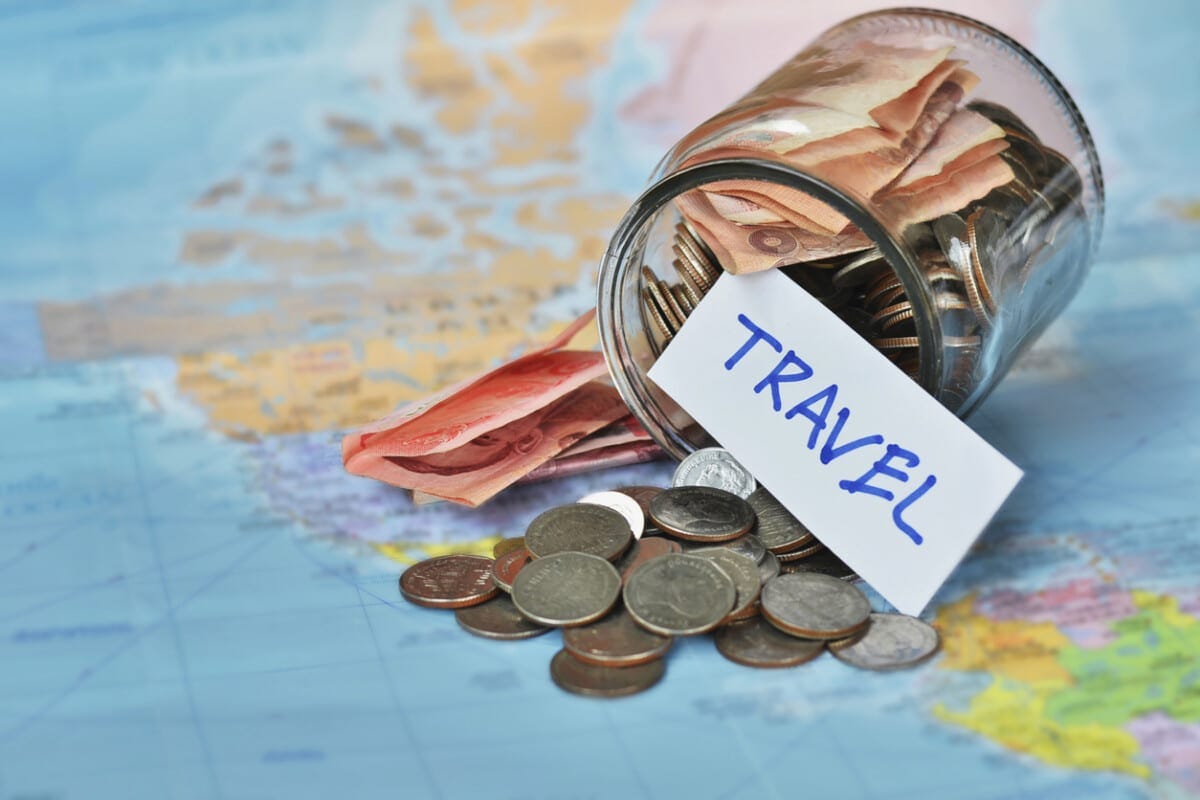
Exploring the world on a tight budget is entirely possible when approached with strategy, creativity, and a willingness to embrace unconventional methods. Many travelers pursue the thrill of discovery while keeping expenses impressively low. In the early stages of planning, incorporating shoestring travel tips sets the foundation for a journey that is both economical and fulfilling. Small adjustments in mindset and preparation can dramatically influence the overall affordability of an adventure.
Begin with a Flexible Framework
Flexibility functions as the guiding principle for anyone hoping to travel on minimal funds. Instead of committing to rigid departure dates, adapting to fluctuating prices yields far better value. Airfare comparison tools provide insight into affordable travel windows, allowing you to shift itineraries according to market variations. Off season travel also reduces costs significantly, as airlines and hotels lower rates to attract visitors during quieter periods.
Lodging choices benefit greatly from this adaptable approach. Staying outside major city centers or selecting smaller, locally run establishments reduces accommodation expenses. For those who enjoy spontaneity, walk in bookings in smaller towns sometimes offer remarkable deals, particularly during weekdays.
Prioritize Efficient Packing
Packing lightly transforms the travel experience from cumbersome to liberating. A streamlined backpack eliminates checked baggage fees and ensures quick mobility. It reduces stress during transfers and decreases the likelihood of misplacing personal items. Use versatile clothing that layers easily, allowing comfort across different climates. Pack essentials only, focusing on multiuse items such as scarves, lightweight jackets, and compact toiletries.
Minimalist packing encourages intentional decision making. Travelers become more aware of what they truly need rather than what they assume might be necessary. This mindful approach contributes to financial savings by curbing unnecessary purchases while on the road.
Leverage Public Transportation
Public transportation systems often provide the most economical way to move through unfamiliar cities. Buses, trains, and metro networks are far more cost effective than taxis, especially for longer distances. Purchasing day passes or multi ride cards reduces per trip spending and simplifies navigation. Many urban centers offer transit maps and fare details online, allowing travelers to plan routes before arrival.
Walking remains a powerful strategy as well. Short distances that might tempt a quick ride can become opportunities for discovery. Strolling through neighborhoods reveals architectural details, markets, and street performers that would otherwise be missed.
Embrace Local Markets and Street Fare
Dining on a budget does not require sacrificing enjoyment. Local markets showcase regional produce, snacks, and freshly prepared meals at prices far lower than formal restaurants. Street vendors serve dishes that encapsulate cultural traditions with bold flavors and remarkable authenticity. Observing where residents eat provides reliable insight into quality and affordability.
Preparing simple meals in shared hostel kitchens further reduces food costs. Even making breakfast or packing snacks has a cumulative effect on savings throughout a trip. Many travelers are surprised by how quickly dining expenditures diminish when they avoid tourist heavy establishments.
Seek Out Community Based Lodging
Lodging costs often consume the largest portion of a budget. Alternatives to standard hotels offer more economical options without compromising comfort. Hostels provide communal spaces, social interaction, and significantly lower rates. Many include amenities such as laundry facilities, free breakfast, or organized activities that add value to the stay.
Short term rental platforms also present opportunities for savings, particularly for longer visits. Weekly or monthly rates often drop well below nightly pricing. Staying with local hosts fosters cultural immersion and offers practical insights into daily life in the region.
Use Digital Resources Strategically
Various digital tools empower travelers to save money without sacrificing quality. Mapping applications help avoid unnecessary detours that waste time and resources. Budgeting apps track expenditures in real time, ensuring that travelers remain financially disciplined. Price alerts for transportation and lodging make it easier to recognize deals as soon as they appear.
Many cities publish free cultural event calendars online. These resources highlight concerts, exhibitions, and outdoor activities that cost little or nothing. By incorporating these events into daily itineraries, travelers can enrich their experiences while maintaining frugality.
Adopt the Philosophy of Slow Travel
Slow travel focuses on depth rather than speed. Remaining in one area longer reduces transportation expenses and encourages a more intimate connection with a destination. Travelers develop familiarity with local prices, learn shortcuts, and discover hidden places that rarely appear in guidebooks. It provides a sense of belonging that quick visits cannot replicate.
This approach allows days to unfold organically. Instead of rushing from one attraction to another, the traveler can explore parks, waterfronts, or neighborhood cafes with unrushed curiosity. The absence of constant movement keeps costs manageable.
Prioritize Free and Low Cost Experiences
Many destinations offer an abundance of free cultural and recreational opportunities. Museums sometimes host specific days with no admission fees. Public gardens, historical plazas, and iconic viewpoints generally require no payment. Community festivals and seasonal celebrations enrich the travel experience with music, art, and lively atmosphere.
Nature based outings also provide exceptional value. Hiking trails, coastal walks, riversides, and scenic overlooks offer immersive beauty without financial strain. These environments foster reflection and encourage appreciation for the simplicity of exploration.
Pay Attention to Daily Micro Spending
Small expenses accumulate quickly when overlooked. Drinks purchased impulsively, casual souvenir shopping, and frequent café stops can erode a carefully planned budget. Establishing a daily spending limit keeps financial habits intentional. Recording expenses helps illuminate patterns, making it easier to adjust behaviors when necessary.
Being mindful of these micro purchases allows travelers to allocate funds to more meaningful experiences. A single avoided impulse buy may create room in the budget for a tour, a special meal, or an unforgettable outing.
Maintain an Adaptive Mindset
Traveling on a shoestring requires creativity, patience, and a resourceful attitude. The ability to pivot when circumstances change is invaluable. Weather shifts, transit delays, or unexpected closures become manageable challenges rather than obstacles. With an open mind and thoughtful preparation, the journey transforms into a rewarding adventure shaped not by lavish spending but by curiosity, ingenuity, and intention.