Budget Travel Tricks for Smart Planning
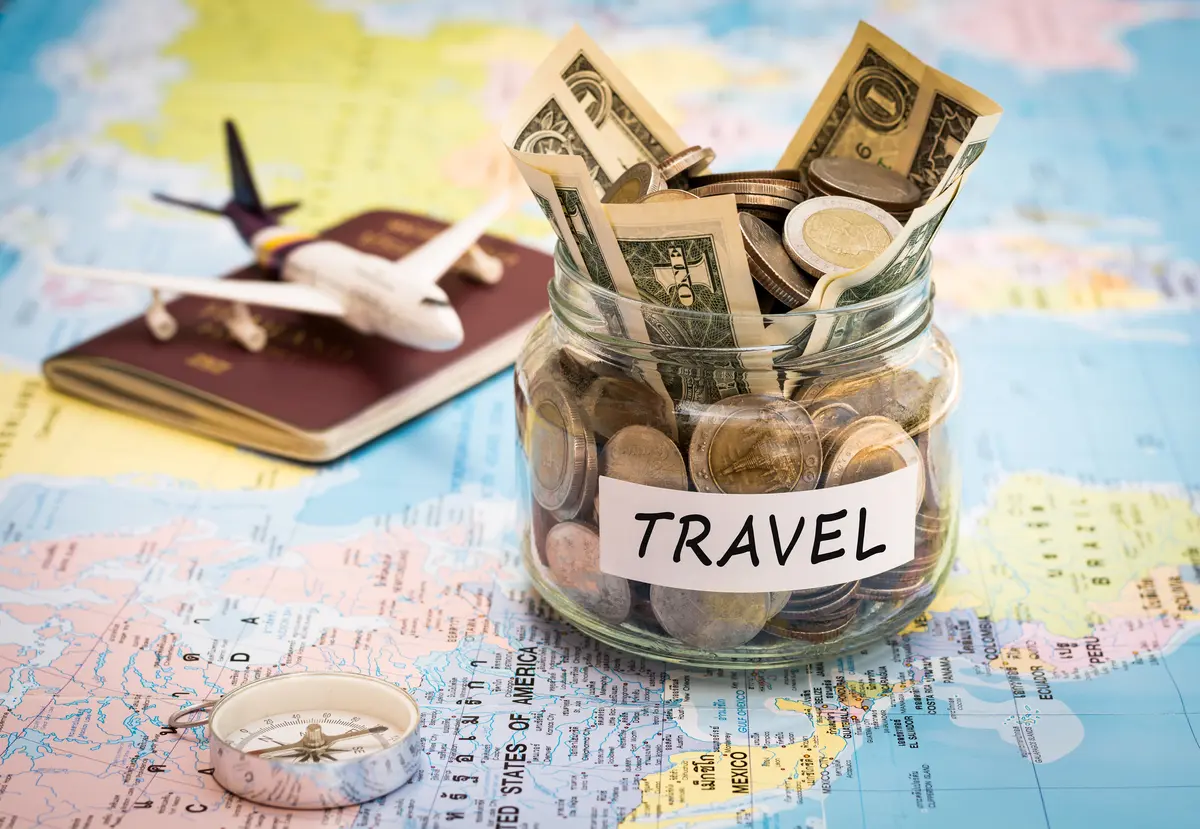
Crafting a journey that aligns with both curiosity and frugality requires a strategic approach to preparation. Travelers who refine their methods and concentrate on resourceful habits often discover that simple adjustments generate immense savings. This dynamic blend of foresight and adaptability becomes even more effective when using smart planning tricks that elevate efficiency without diminishing the excitement of exploration.
Choose Destinations with Intentional Precision
Smart planning begins with understanding the financial implications of a chosen destination. Some locations offer remarkable affordability due to advantageous exchange rates, abundant public transportation, or naturally low living costs. Instead of selecting locations based solely on popularity, experienced travelers analyze regional variations and seasonal pricing shifts.
Traveling during the shoulder season, a period when crowds thin and prices stabilize, can dramatically reduce expenses. This timing provides an appealing balance of favorable weather, lower accommodation prices, and more accessible attractions. Researching this seasonal sweet spot ensures that every dollar stretches further.
Build a Flexible Itinerary
Rigid itineraries often lead to unnecessary expenses. Flexibility, on the other hand, opens opportunities to seize last minute deals and adjust plans based on real time discoveries. When travelers avoid locking themselves into expensive commitments, they become more receptive to alternative routes or transport options that may offer better value.
A malleable timeline also allows exploration of nearby cities or small towns that provide budget friendly experiences. These places reveal authentic cultural narratives that are sometimes overshadowed by major metropolitan centers. The ability to adapt ensures that both finances and expectations remain aligned.
Employ Strategic Booking Methods
Mastering the timing of reservations is among the most effective cost saving habits. Many booking platforms use fluctuating pricing models influenced by demand, time of day, or historical patterns. Monitoring these changes helps identify ideal moments for securing flights or accommodations at reduced rates.
Travelers who compare prices across multiple platforms often uncover discrepancies that lead to impressive savings. Additionally, clearing browser cookies or using private browsing modes can prevent artificially inflated prices. Small precautions like these compound into meaningful financial benefits over the course of a trip.
Utilize Low Cost Transportation Alternatives
Public transportation remains one of the most efficient ways to navigate unfamiliar cities. Trams, buses, and metro systems provide direct access to major attractions for a fraction of the cost of private transport. Many cities offer multi day passes that significantly lower the average price per ride.
For shorter distances, walking or renting bicycles presents a cost effective and immersive way to explore. These methods reveal local details that are easily overlooked from inside a vehicle. Neighborhood murals, side street markets, and hidden courtyards become part of the journey when moving at a slower pace.
Refine Accommodation Selection
Accommodation expenses often represent a sizable portion of a travel budget. However, careful selection makes these costs manageable. Guesthouses, hostels, and modest boutique stays offer affordability without sacrificing comfort. Some include shared kitchens, allowing travelers to prepare meals and reduce dining expenses.
Choosing lodging outside of bustling tourist districts also leads to better pricing. These quieter neighborhoods reveal a city’s everyday character and often feature locally owned eateries or markets that serve authentic cuisine at lower rates. The combination of economic value and cultural depth enhances the entire travel experience.
Adopt Cost Conscious Dining Habits
Experiencing regional cuisine does not require lavish spending. Markets and street stalls frequently serve fresh, flavorful dishes that reflect local culinary traditions. Sampling these offerings introduces travelers to the essence of a destination’s food culture without draining their budget.
Dining during lunch hours, when many restaurants offer reduced prix fixe menus, can also dramatically lower costs. These midday meals often feature the same quality and portion size as dinner but at a more economical rate. Carrying snacks purchased from local shops further reduces reliance on high priced convenience foods.
Seek Out Complementary Experiences
Many destinations present a wealth of free or inexpensive activities. Public museums occasionally offer entry without cost on specific days. Scenic parks and historical districts invite leisurely exploration. Community festivals, open air concerts, and cultural gatherings provide engaging entertainment for little or no money.
Engaging in these experiences broadens understanding of local heritage while ensuring that budget constraints never limit the quality of enjoyment. Travelers who embrace these opportunities often uncover moments more memorable than paid attractions.
Leverage Technology for Precision Tracking
Digital tools simplify budgeting and reduce the risk of overspending. Apps that categorize expenses give travelers a clear view of their financial landscape. Tracking purchases in real time makes it easier to adjust spending habits before they become problematic.
Currency converters help verify fair prices when shopping or dining. Translation tools reduce misunderstandings that may lead to accidental overspending. With these resources, navigating unfamiliar environments becomes smoother and more cost efficient.
Incorporate Slow Travel for Maximum Value
Slow travel reduces transportation costs and fosters deeper engagement with local environments. Spending more time in fewer places creates space for unplanned discoveries and meaningful conversations. Without rushing, travelers experience the rhythms of daily life in authentic ways.
This approach cultivates a sense of immersion that expensive shortcuts cannot replicate. A quiet morning at a neighborhood cafe or a simple walk along a riverfront often brings profound satisfaction at little to no cost.