Iconic Locations Featuring Luxury Hotels

Travelers with an appreciation for refined hospitality often seek out iconic luxury locations that embody grandeur, cultural significance, and a sense of timeless allure. These destinations offer more than lavish accommodations. They provide access to breathtaking landscapes, storied architecture, and immersive surroundings that elevate every moment of a stay. The union of place and property creates an atmosphere where elegance and exploration intertwine seamlessly.
Coastal Havens with Spectacular Vistas
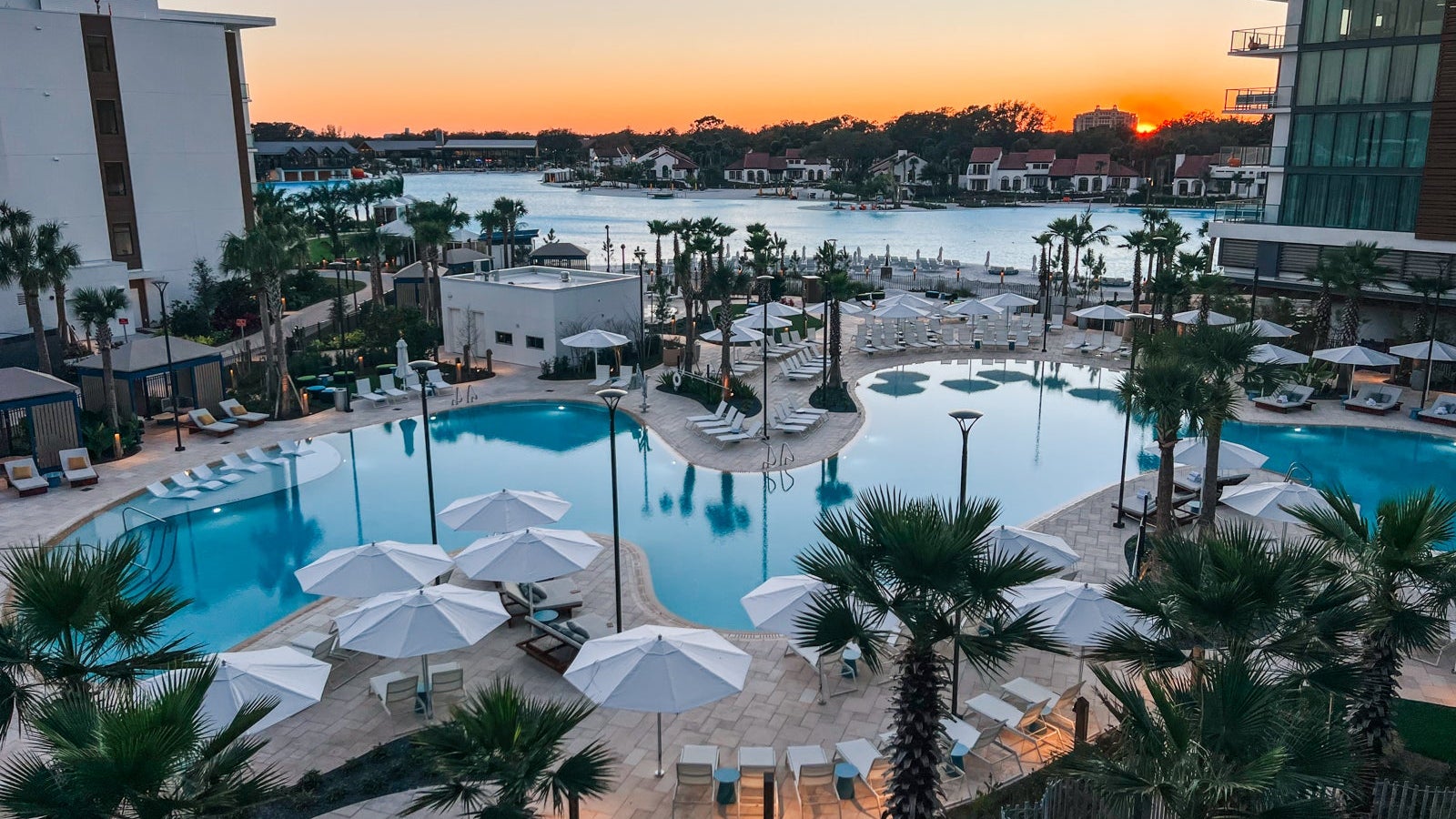
Certain regions of the world are renowned for coastlines that captivate the imagination. Luxury hotels in these areas harness the natural beauty of their surroundings to create unmatched guest experiences. The interplay of shimmering waters, soft ocean breezes, and dramatic horizons nurtures a serene environment ideal for respite.
Coastal cities such as Capri, Nice, or the Maldives exemplify this pairing. Hotels situated along these shorelines frequently feature expansive terraces, private beachfront access, and panoramic dining venues that transform every meal into a sensorial spectacle. Many properties incorporate local maritime influences through architectural elements crafted from driftwood, natural stone, or coral inspired textures. These subtleties affirm the region’s identity and celebrate its natural splendor.
Mountain Retreats Immersed in Tranquility
Mountains possess an enigmatic allure, offering a refuge from urban commotion and inviting guests into an atmosphere of quiet contemplation. Luxury hotels in alpine or high elevation environments often anchor themselves within dramatic vistas of snow capped peaks, lush forests, or shimmering lakes.
Regions like the Swiss Alps, Aspen, or the Japanese Alps feature hotels designed with an appreciation for both comfort and authenticity. Interiors commonly integrate warm woods, plush textiles, and artisan craftsmanship to cultivate a feeling of understated opulence. Spas arranged with mineral pools or thermal baths complement the restorative qualities of high altitude living. Guests often find that these mountain sanctuaries encourage introspection and a reconnection with the slower rhythms of nature.
Urban Landmarks with Cultural Gravitas
Major cities offer their own form of allure rooted in history and cosmopolitan sophistication. Luxury hotels in urban environments typically occupy prestigious sites near museums, historic districts, or architectural landmarks. These locations provide immediate access to cultural discoveries while offering a retreat of elegance within the metropolitan landscape.
Cities such as Paris, New York, or Tokyo illustrate this dynamic. Their luxury hotels merge modern sensibilities with the cultural fabric of the region. Guests may dine in world class restaurants featuring celebrated chefs, attend exhibitions within walking distance, or admire skyline views from elevated suites. The energy of the city contrasts with the serenity inside the hotel, creating a balance that appeals to travelers seeking both excitement and repose.
Remote Escapes Surrounded by Untouched Wilderness
Some luxury hotels distinguish themselves by residing in destinations far removed from conventional travel routes. These properties allow guests to experience remoteness without sacrificing indulgence. The sense of exclusivity derived from these locations contributes significantly to their appeal.
Destinations such as Patagonia, the African savannah, or isolated islands across the Pacific host hotels that emphasize harmony with the environment. Architectural designs often embrace sustainable materials that pay homage to local ecosystems. Guests may observe wildlife at dawn, enjoy expansive landscapes uninterrupted by urban sprawl, or participate in guided excursions that highlight indigenous flora and fauna. The result is a transformative experience that blends luxury with raw natural beauty.
Historic Regions that Preserve Heritage
Locations steeped in history create a compelling backdrop for luxury hospitality. Many hotels in these areas occupy restored palaces, manor houses, or colonial structures that retain their architectural majesty. These buildings often feature intricate carvings, courtyards, and period inspired décor that evoke the grandeur of bygone eras.
Cities like Jaipur, Vienna, or Marrakech exemplify this celebrated heritage. Guests are introduced to local customs through curated cultural programs, traditional performances, or guided tours of nearby monuments. The juxtaposition of ancient craftsmanship with contemporary service provides a uniquely enriching environment. Travelers gain insight into the legacy of the region while enjoying all the amenities of a modern luxury establishment.
Island Paradises Offering Secluded Beauty
Island destinations captivate travelers with their crystalline waters, verdant jungles, and idyllic climates. Luxury hotels in these environments create atmospheres that feel both intimate and expansive. The soothing cadence of waves and the symphony of tropical wildlife offer a naturally calming ambiance.
Caribbean islands, Seychelles, and Bali present prime examples. Hotels in these locales often feature private villas, open air pavilions, and lush gardens that encourage connection with the surrounding environment. Culinary offerings showcase regional flavors enhanced by fresh seafood and tropical produce. Whether lounging beside a private plunge pool or exploring coral reefs, guests experience a harmonious blend of serenity and indulgence.
Cultural Epicenters with Artistic Influence
Finally, certain destinations are celebrated for their artistic heritage, creative communities, and vibrant atmospheres. Luxury hotels in these locations cater to travelers eager to immerse themselves in local artistry, from exhibitions to live performances.
Cities such as Florence, Barcelona, or Seoul uphold a legacy of artistic innovation. Hotels often collaborate with local artisans to display commissioned works, host curated galleries, or offer workshops that illuminate regional traditions. This integration of art and hospitality enriches the guest experience and adds meaningful context to the stay. Guests leave not only with memories of exquisite accommodations but also with a deeper appreciation for the cultural essence of the destination.