Every culture has its own small habits. Some are formal and some are loose. You do not need to learn all of them. Learn the few that shape the meal and the mood. Start with the ones that shape the first ten minutes.
This guide covers the moments that matter most. It explains the start of the meal, the way food is shared, and the way you leave the table.
Start With the Greeting and the Seat
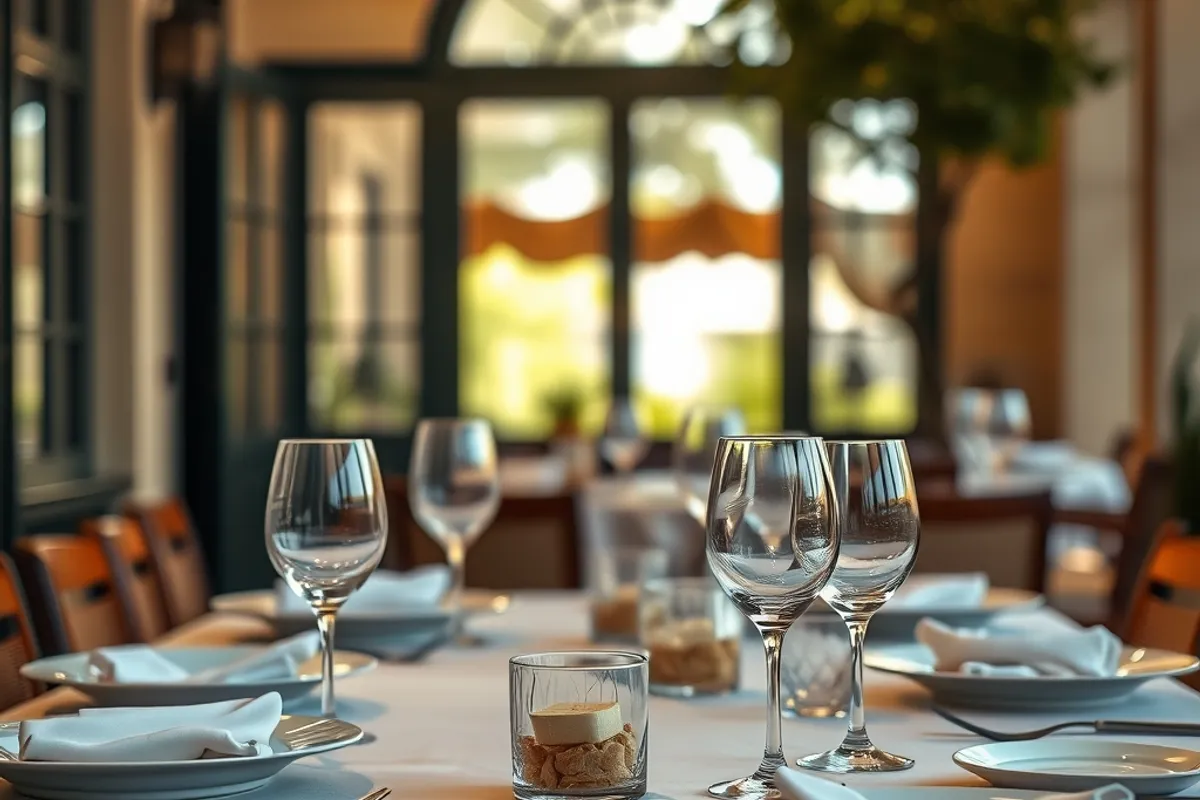
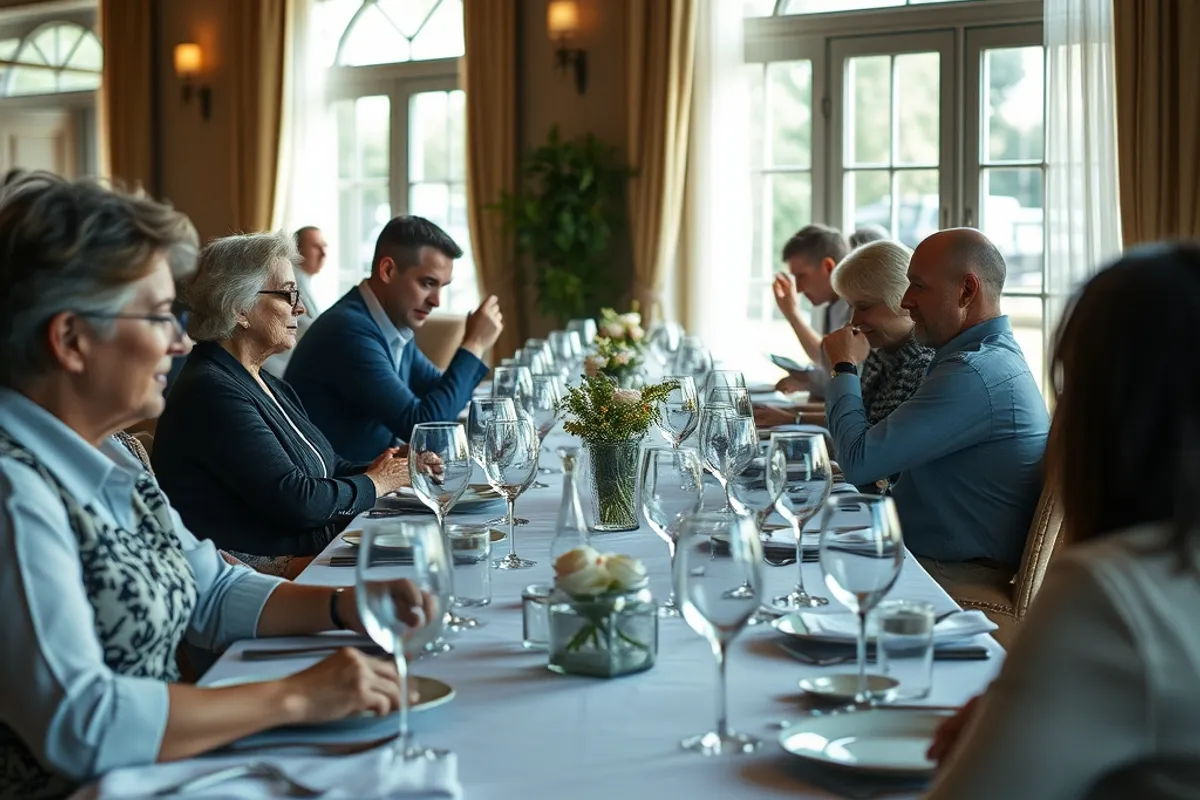
Wait to be shown to your seat in a formal setting. Hosts often place guests with care. Taking the wrong chair can separate you from the person you came with. If no one directs you, follow the lead of other guests.
A simple greeting goes a long way. Learn the local phrase for good appetite or enjoy your meal. Saying it once shows respect for the table you have joined. Practise the phrase once before you reach the door.
Notice when the host starts eating. In many places, guests wait for that signal. Watching the table is safer than guessing from memory. The host may also wait for everyone to be seated.
Understand How Food Is Served
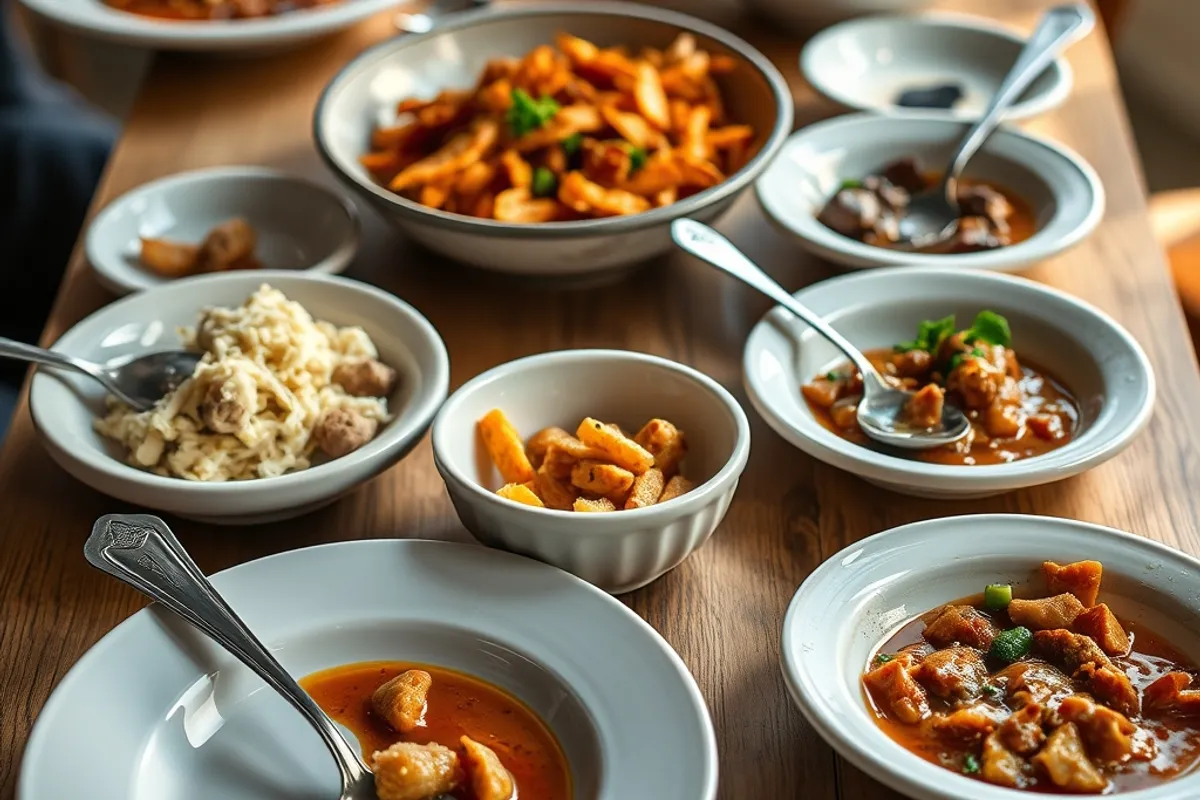
Some meals arrive as one plate per person. Others arrive in the middle of the table for everyone to share. Look at how the first dishes are placed. A shared plate in the centre changes how you serve yourself.
In a shared meal, take a modest portion first. You can always take more. A large first helping can leave little for the person seated after you. Take the item nearest you first and pass the dish along.
Use the serving spoon, not your own utensil. This is a basic rule of hygiene in every setting. If no spoon is present, ask for one. Never reach across the table for a plate out of reach.
Handle Bread, Rice, and Fingers
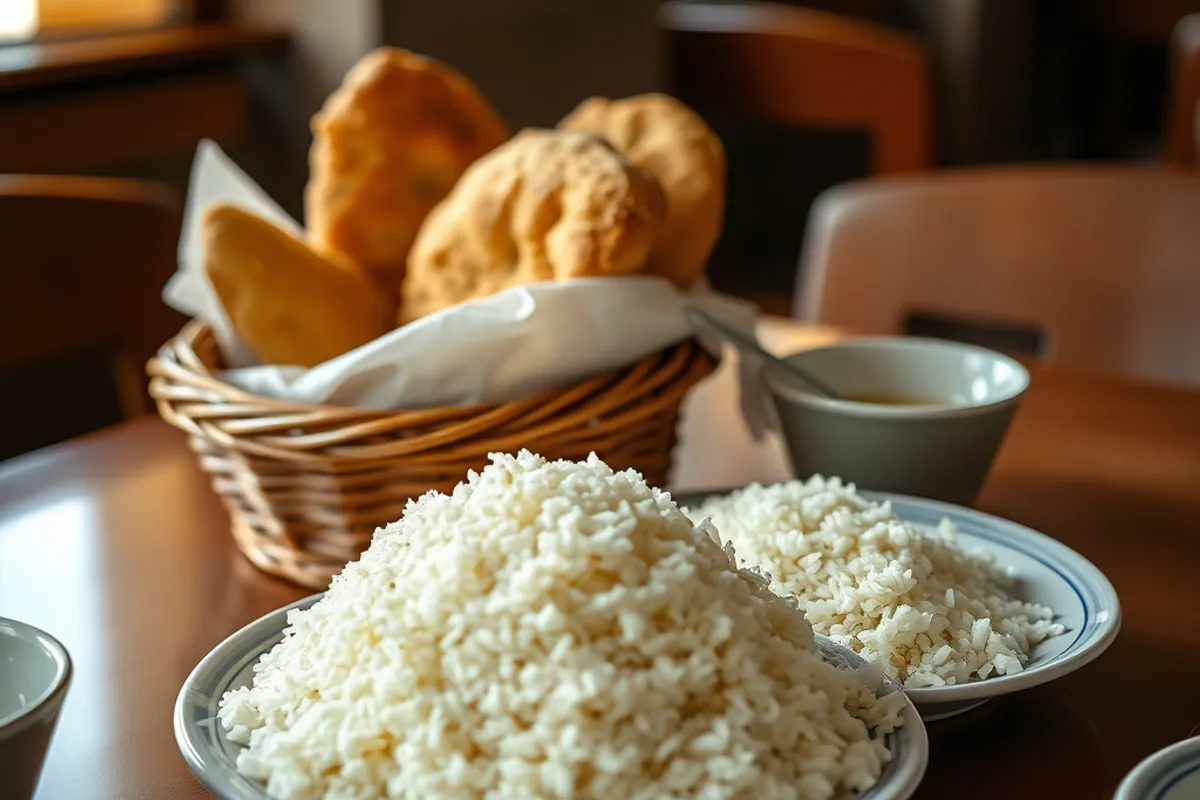
Bread rules differ widely. In some places it sits on a plate edge; in others it goes in a basket. Watch the local diners and follow their lead. Both answers are correct as long as you stay tidy.
Some foods are meant to be eaten with the hands. Rice balls, flatbread, and small snacks often are. Watch the way others hold them before you pick one up. If you are unsure, wait and copy the person beside you.
Keep your hands visible when you are not eating. Resting wrists on the table is polite in many cultures. Hands in the lap can look like you are hiding something. Keep your elbows off the table while you eat.
Talk, Pace, and Attention
Match the volume of the table. A loud voice carries further than you think in a small room. Quiet speech is safer until you know the group. Match the pace of the room rather than your own habit.
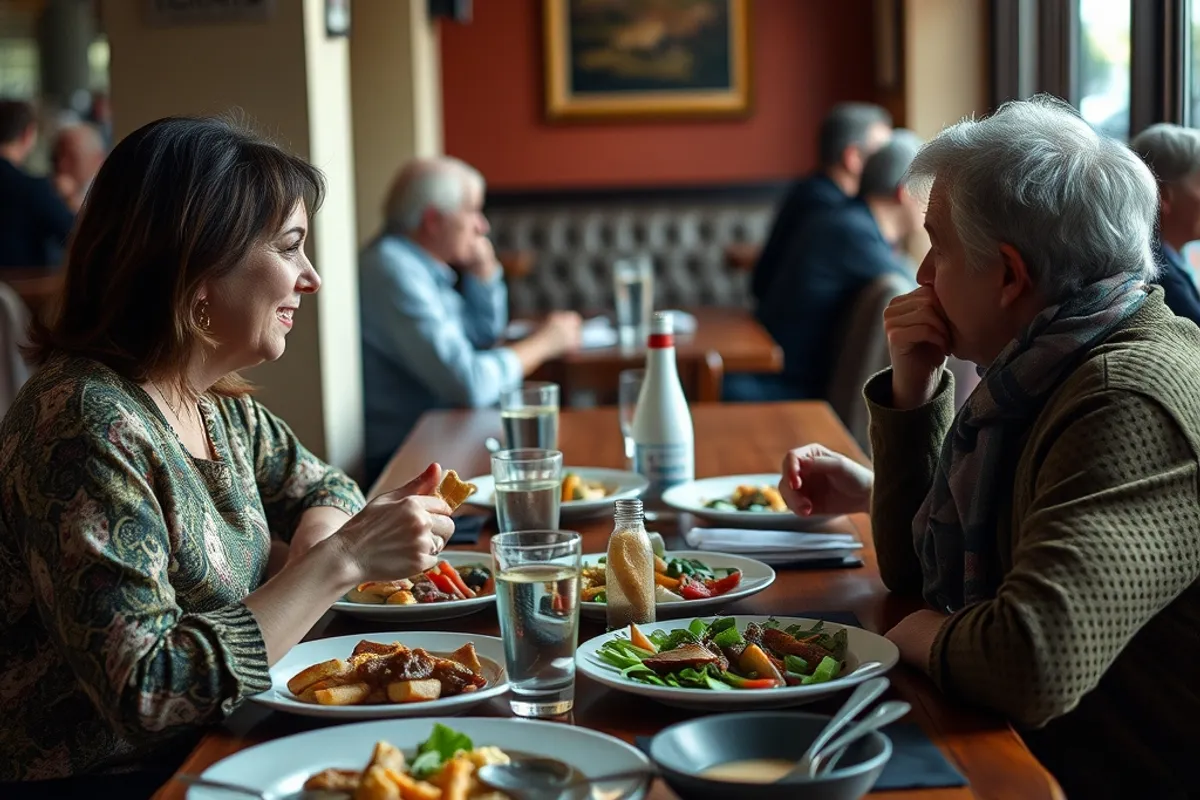
Let the host guide the pace of the meal. Conversation often matters as much as the food. Rushing to the next course can cut a story short. A good conversation is often the real reason for the meal.
Put your phone away during the main courses. A screen sends a clear message about where your attention is. One quick photo is fine when everyone agrees. Silence your phone before you sit, not after the first course.
Decline, Finish, and Say Thank You
A second helping is often offered more than once. You can decline with a smile and a short thank you. A clear no is kinder than a vague yes. A warm smile and a short phrase are enough.
Know what an empty plate means in that setting. In some places it signals satisfaction. In others, a small amount left behind shows you were full. Watch the host plate before you decide what to leave.
Thank the host before you leave the table. Name one dish you enjoyed. A specific compliment means more than a general thank you. Say it before the bill arrives and the room starts to empty.
Tipping and Paying Without Fuss
Check the local habit before you reach for a tip. In some countries it is expected; in others it is unusual. A small amount left on the table can cause confusion. Ask the hotel or a local friend if you are unsure.
Ask who pays before the bill arrives. Splitting a bill is normal in some places and rude in others. A quick word at the start avoids an awkward end. A clear answer at the start saves an awkward debate later.
Keep some cash for small places. Cards are common in cities but not everywhere. A backup payment method saves the meal from a bad ending. Small shops and market stalls often cannot take a card.
Good table manners are mostly attention. Watch the host, follow the table, and thank the person who cooked.
Markets and local flavorsTravel GuidesFood loss and waste guidance