This guide keeps things practical. We cover where to stay, how to move, and what to eat. We also explain a few customs that help you fit in. Bradley Reines writes for travelers who value clear, usable advice over empty praise.
How to Move Around Kyoto
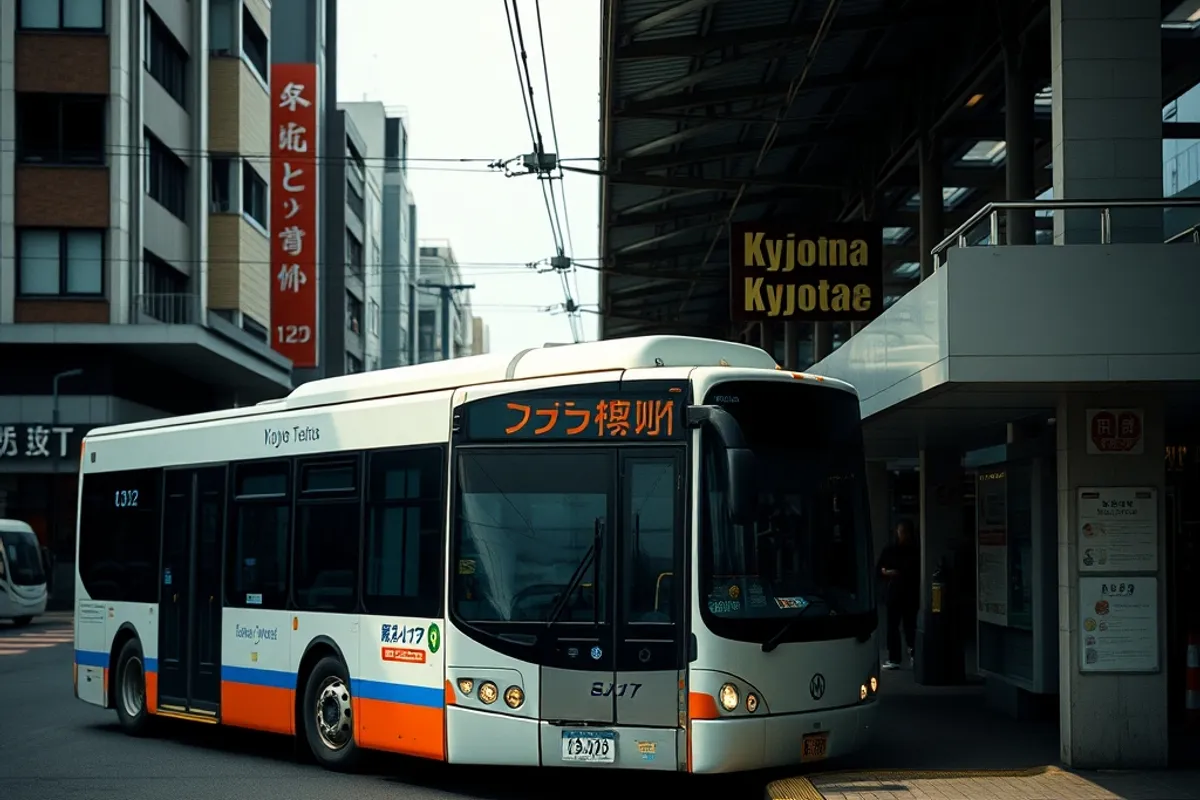
Buses and trains cover the city well. Buy a rechargeable transit card at a station or convenience store. Tap it on buses and trains, and top it up when it runs low. You will save time at every gate.
Buses can get crowded at peak hours. Trains are often faster for longer jumps. Use a map app to compare the two before you leave. Kyoto has two main train stations, so check which one you need. Keep walking distances short in summer. Rush hour on buses is short but busy. If you can, wait twenty minutes and travel with more space.
Where to Stay for a First Visit
Stay near a train station for easy day trips. The area around Kyoto Station is simple and well linked. Gion and Kawaramachi suit travelers who want food and shops nearby. Both areas have plenty of places to eat late.
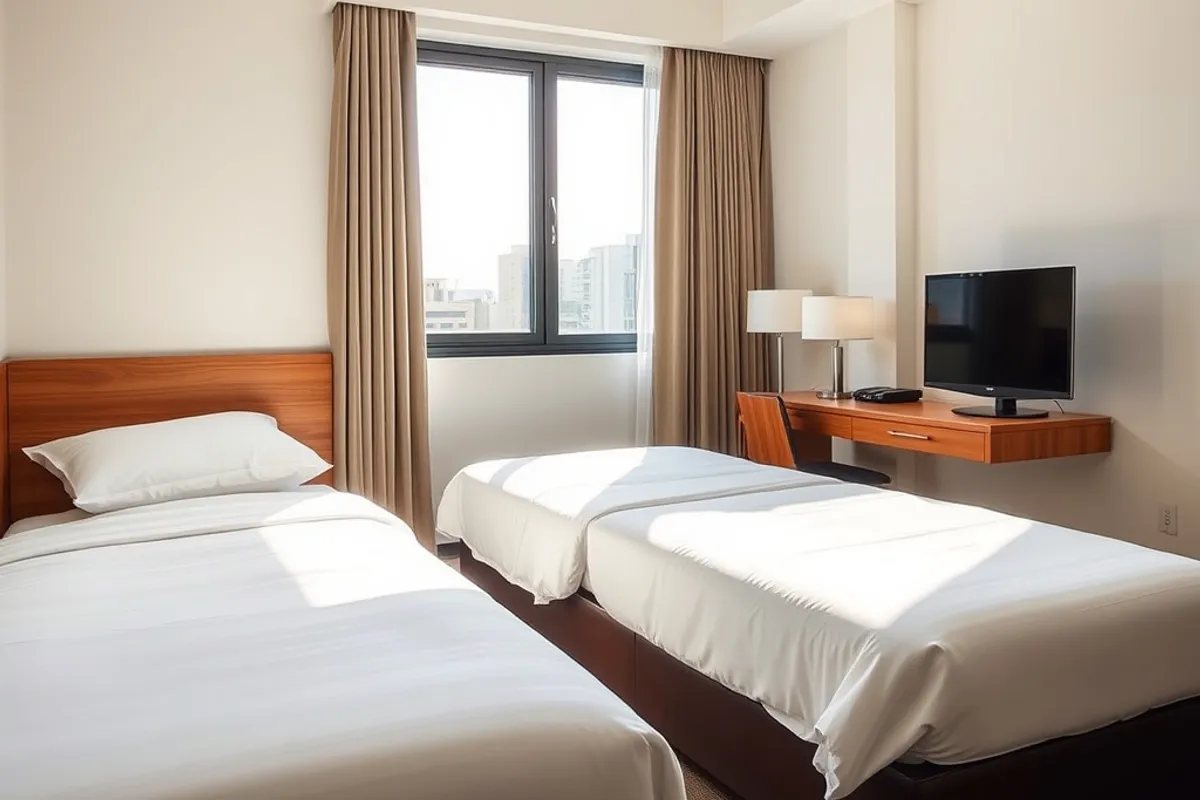
Read the room details before you book. Some rooms are small by Western standards. Check whether luggage can be stored before check-in. Look for a place within a short, flat walk of a station. A good location saves a lot of energy. Ask whether the front desk closes early. Late arrivals can be awkward at small places.
Your First Temple Morning
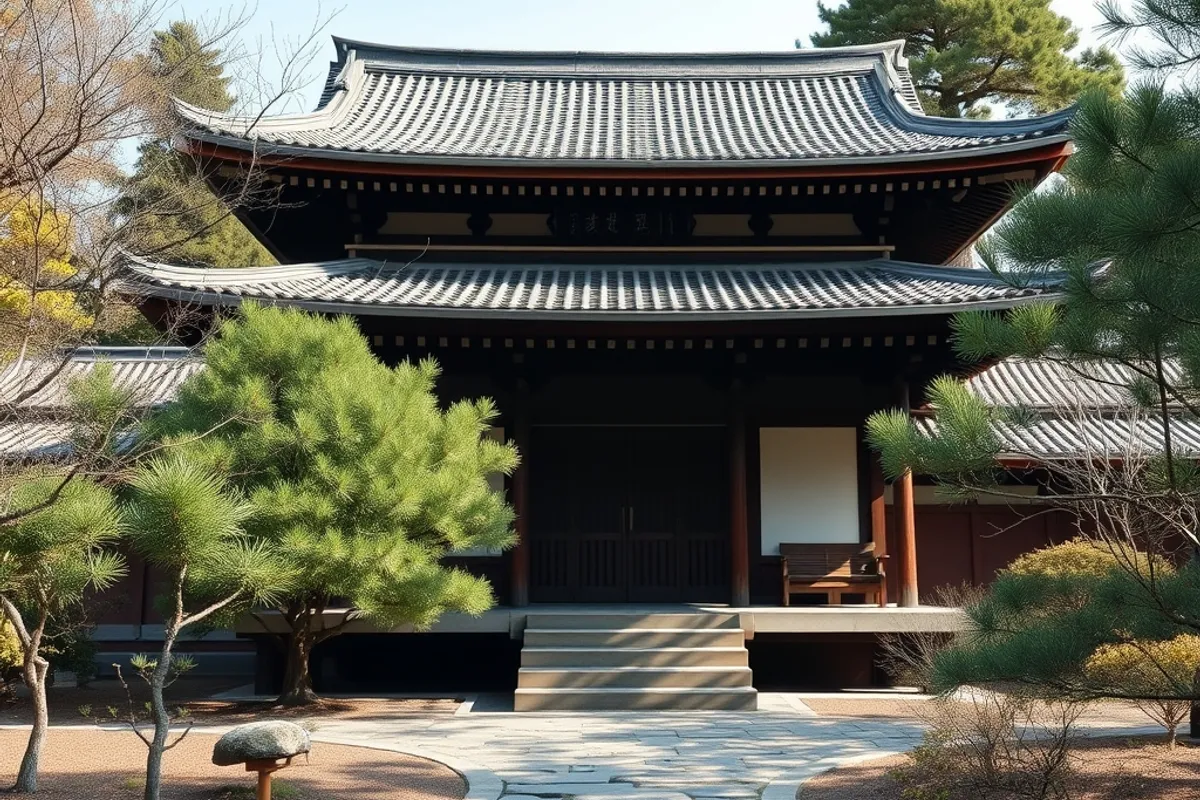
Start early at a temple east of the center. The grounds are calm before the tour groups arrive. Walk the paths at your own pace and read the signs as you go. You do not need to understand every detail to enjoy the space.
Remove your shoes where a sign asks you to. Speak quietly near the halls. Do not photograph inside buildings that ban it. Two temples in one morning is plenty. Add a garden walk and then stop for lunch. Carry a small cloth if you plan to sit on tatami. Most visitors manage well without one.
Eating Without Stress
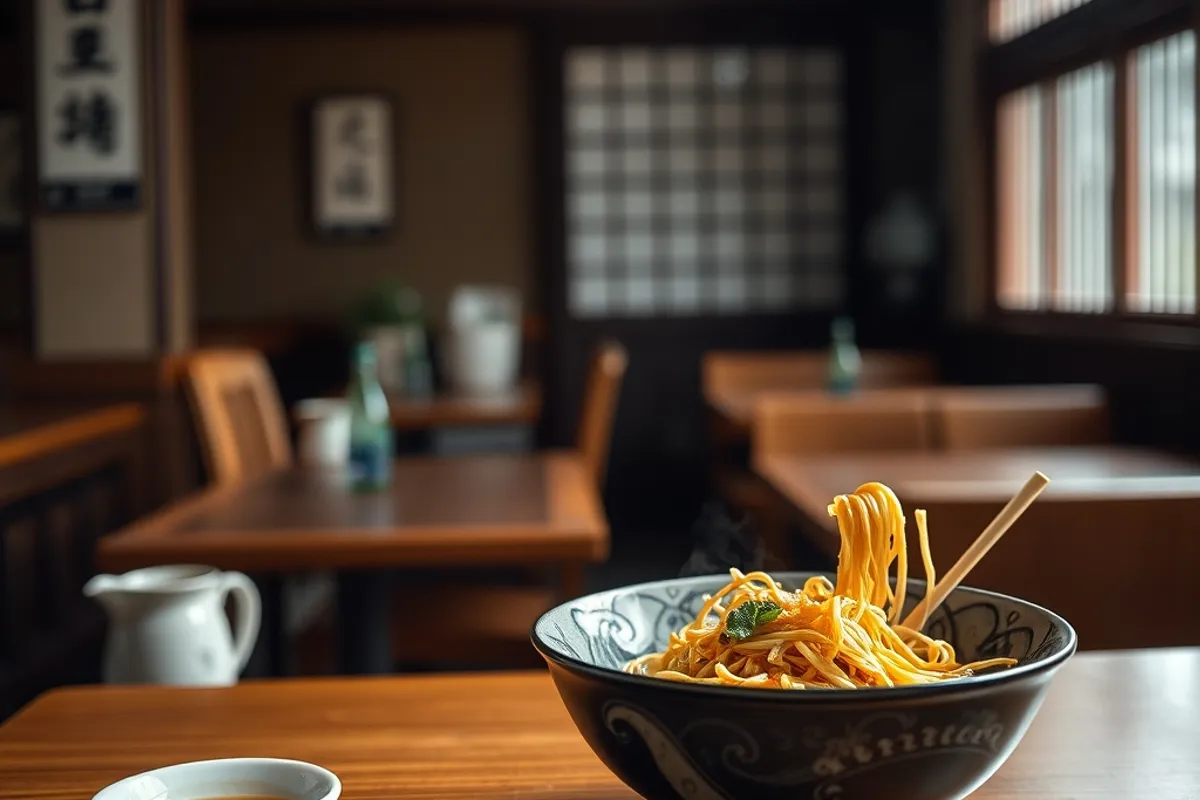
Kyoto has good food at every price. Try noodles, grilled fish, or a simple rice bowl for lunch. Many restaurants display plastic models of their dishes outside. Point at what you want if the menu is hard to read.
Convenience stores are useful for breakfast and snacks. Small bakeries and tea shops are easy to find. Book a table for dinner in popular areas. Otherwise, eat early and walk until you find a full room. Water is free and tea is often included. Tipping is not expected, so budget accordingly.
A Day West of the Center
Arashiyama makes a good second day. Go early to see the bamboo path before it fills. The walk is short and flat, and the light is best in the morning. Continue to the riverside for a slow stretch.
Add one temple or a garden, then head back before dark. Do not try to cover the whole district. Pick two stops and give them time. The return train is easy to find from the main street. The riverside path is flat and good for a slow walk back toward the station.
Simple Day Trips From the City
Kyoto works well as a base for nearby towns. Pick one day trip and leave the rest of the week open. Trains run often, but the best seats go early. Check the last return train before you set out.
A half-day trip is enough for a first visit. Walk the main street, eat something local, and come back before dark. You will see more by staying focused than by racing through three places. Keep your transit card topped up for the ride home. Write down the platform number, since signs can be easy to miss.
Etiquette and Small Mistakes
Stand to the right on escalators and keep your voice low on trains. Carry a small bag for rubbish, since public bins are rare. Bow slightly when you thank someone. A few polite habits go a long way. A simple greeting also helps at a small shop.
Do not overpack your days. Travel between districts takes longer than the map suggests. Do not chase every famous place in one trip. Leave space for a quiet tea stop and an unplanned lane.
Kyoto is best seen slowly. Choose a few places, arrive early, and let the rest of the day stay open.
More destination guidesDining etiquette abroadJapan travel information