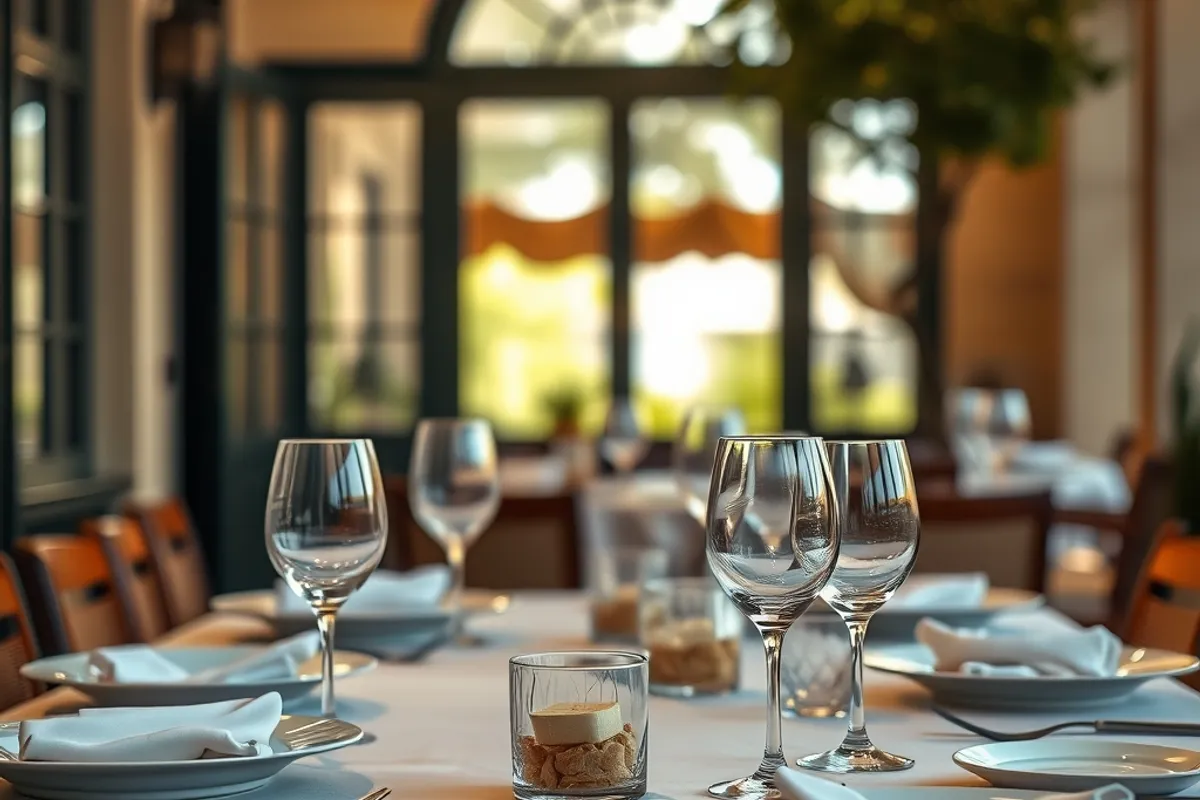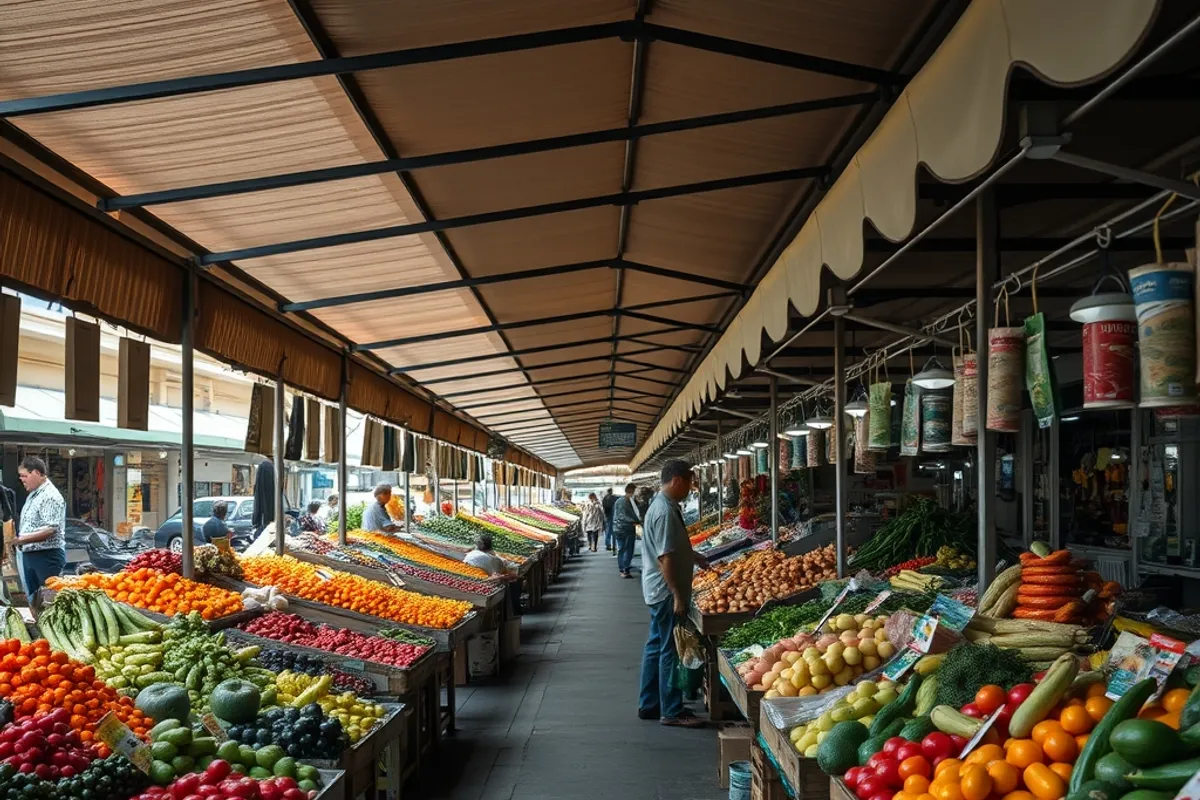
Tourist menus can be useful, but they smooth out the rough edges. A market keeps those edges. It shows the produce, the preserve, and the snack that never leaves the region. That is the part worth planning around.
This guide helps you look without staring and ask without fuss. You will leave with a full notebook and a better meal than a booking site could suggest. Bring a small notebook and a little cash in notes.
Go Early and Walk the Whole Market
Stalls are busiest in the morning. Produce arrives fresh and vendors have time to talk. By midday, the best fruit is gone and the crowd has doubled. Late morning is good for cooked dishes that need time.
Make one full pass before you buy anything. Note which stalls draw local shoppers. A queue of regulars is a better sign than a bright sign in a guidebook. A second lap often reveals a stall you missed.
Markets often close on Sunday or Monday. Check the hours the night before. A closed market wastes a morning that you cannot get back. Ask your hotel to confirm the opening days.
Learn a Few Words Before You Go
Learn the words for hello, thank you, and how much. A few polite words change the whole exchange. Vendors answer questions faster when you try their language. Write the words down so you can show them if needed.
Point to what you want and hold up fingers for the count. This works when words fail. A smile and a clear gesture cover most small purchases. A price written on paper avoids a misunderstanding.
Ask what is in a dish before you order. Allergies and strong spices are real concerns. A short question saves an unpleasant afternoon. A short phrase about no meat or no dairy helps too.
Read the Stalls Like a Local
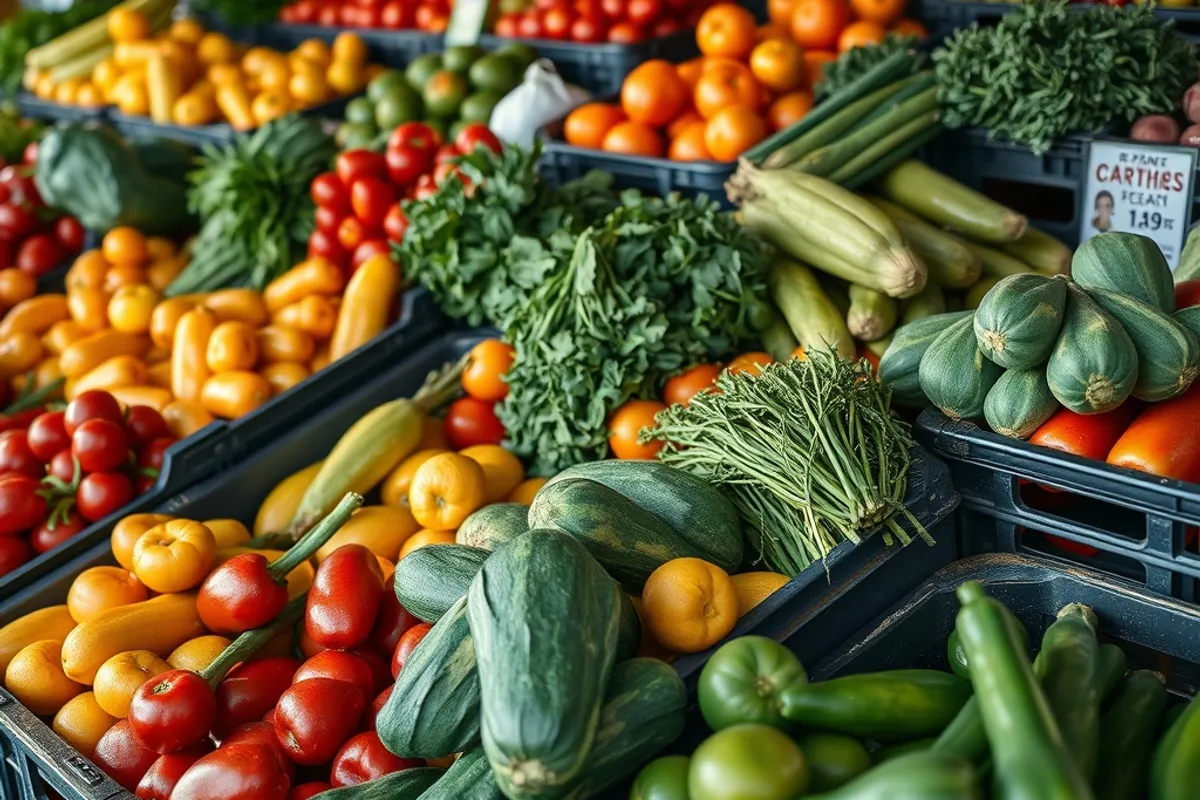
Look at the packaging and the labels. Local produce often has a regional name on the crate. That name tells you which farm or town the item came from. A crate label is often the fastest way to learn a local name.
Notice which stalls have short menus. A stall that sells one dish usually makes it well. A stall with forty items may be reheating food from a supplier. Ask which item the vendor would take home today.
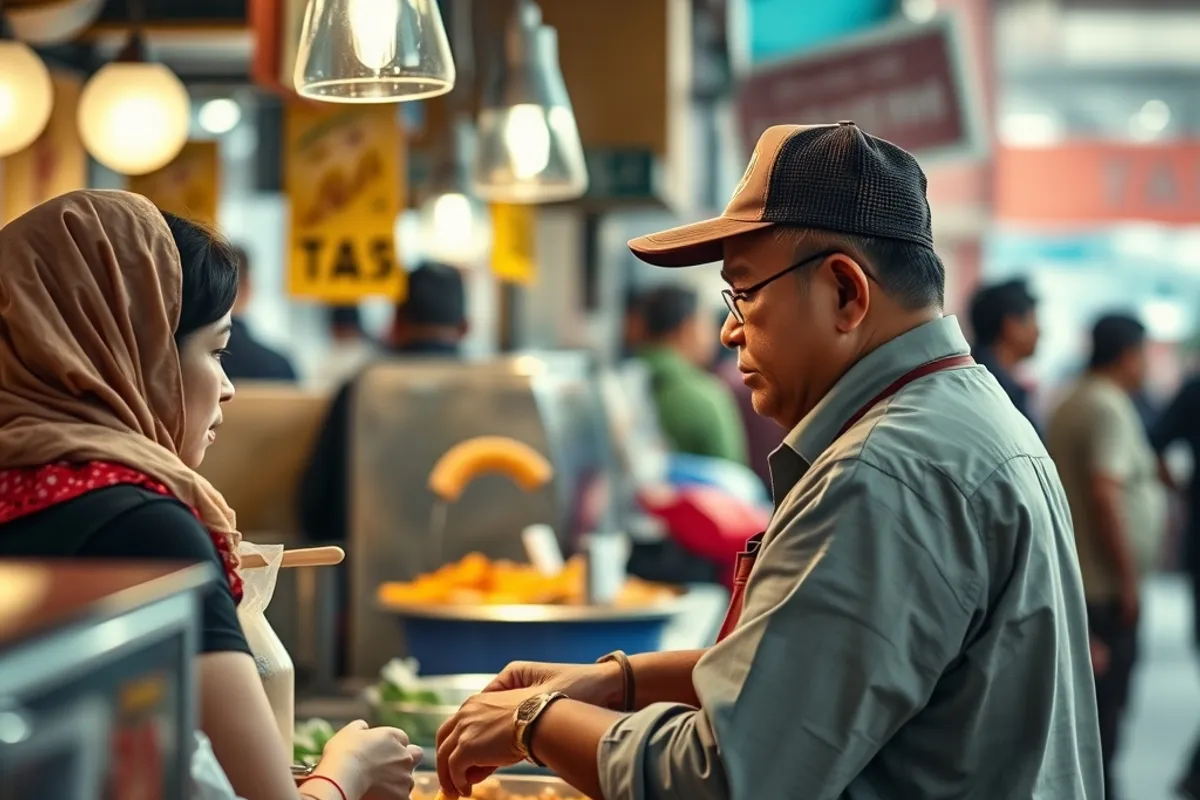
Watch how vendors serve regulars. The extra spoon of sauce or the hot bread wrapped in paper reveals the habits worth copying. Copy the small habits and the meal will feel less strange.
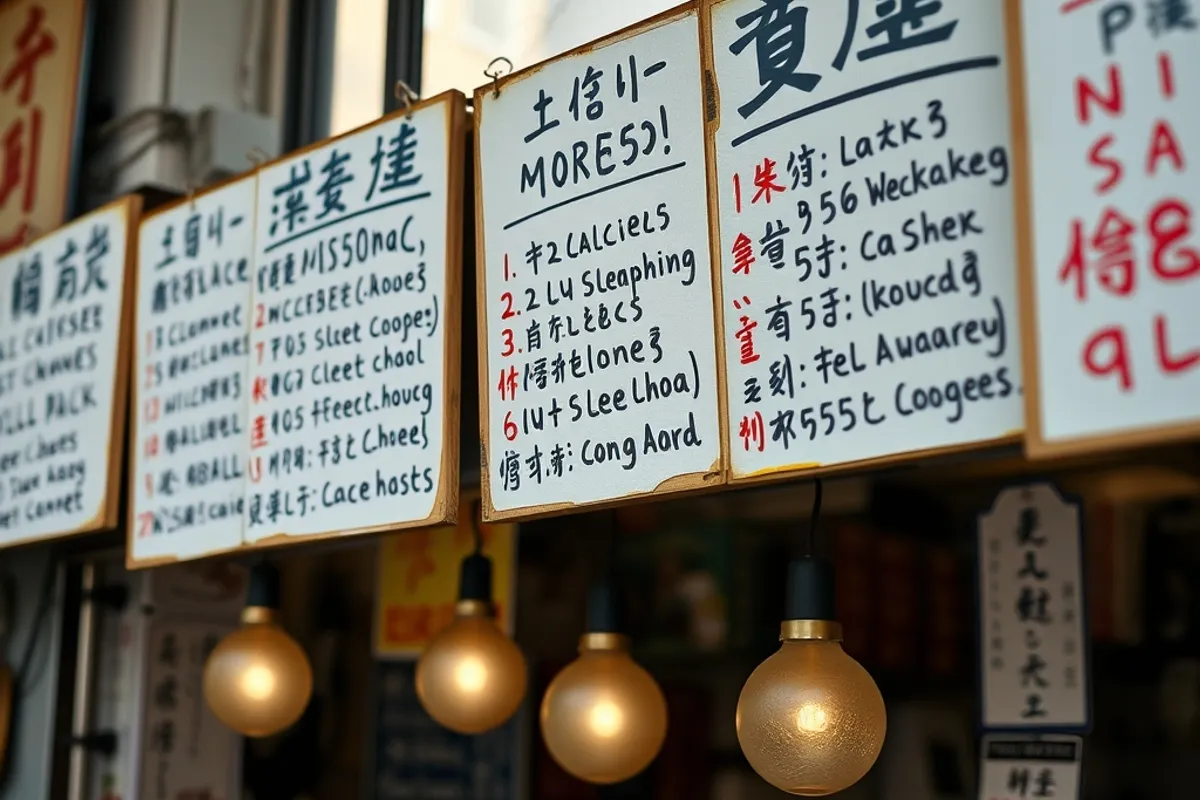
Order Small and Share Often
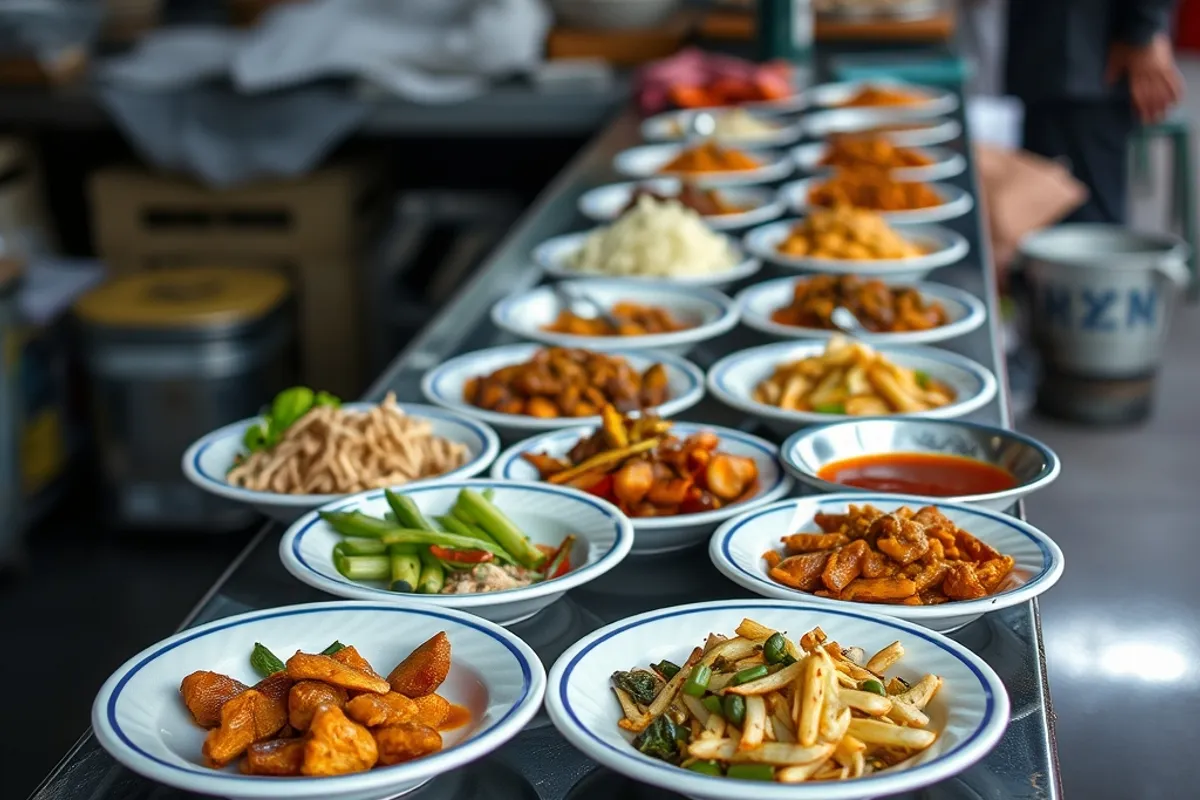
Buy a small portion of several things. One big dish limits what you can taste. Three small plates give you a wider view of the same kitchen. Order one item from each stall that catches your eye.
Share when you travel with others. A market table is built for passing plates. You will taste more and spend less than ordering separate meals. Pass the plates to the left and keep the conversation going.
Eat standing at the stall when that is the custom. Many markets have a counter, not a dining room. Standing is part of the experience, not a compromise. Perch on a stool and watch the room while you eat.
Ask About Season and Source
Ask which produce is in season now. Vendors are proud of what grows nearby. A tomato in July tastes different from the same tomato in January. A vendor will often name the town where it was grown.
Ask where a cheese or cured item comes from. The answer often includes a village you can visit later. Markets point toward the next stop on your route. Those village names turn into real stops on a later trip.
Take notes on names you cannot pronounce. Spell them the way they sound. A photo of the label solves the spelling when you write it down later. Keep the notes in one place so the list is easy to use.
Bring Food Home Carefully
Check the rules before you carry food across a border. Fresh items are often restricted. Sealed jars and dry goods travel more easily than soft fruit. When in doubt, buy dry goods and leave fresh items behind.
Pack a small bag for the walk back. A reusable bag keeps bottles upright and saves a plastic one. It also gives you a free hand for your phone. A foldable bag takes no room in a suitcase.
Write down what you bought and where. A list helps you repeat the find on your next visit. It also makes a useful note for a friend planning the same route. Share that list with a friend before you forget the names.
The best market habit is simple: walk one full lap, then buy what the locals are buying.
Dining etiquette abroadPacking for long weekendsFood loss and waste guidance