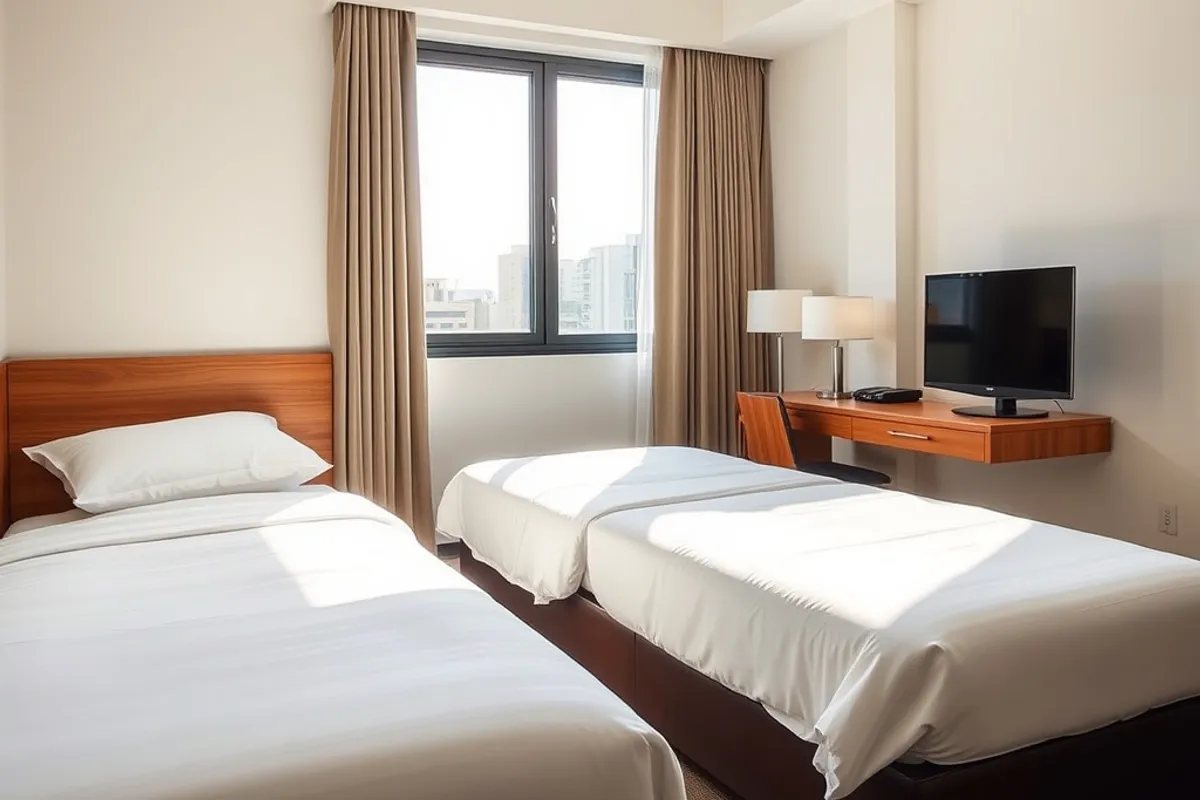
That choice also carries risk. A small property has few rooms, so one weak room can shape the whole trip. Thin walls, steep stairs, and short check-in hours are common trade-offs. You can avoid most surprises with a short routine before you book. Read each room description closely. Ask two direct questions. Then compare the total price, not just the nightly rate.
This guide walks through that routine. It covers location, layout, noise, service, cleaning, and a fair price. Use it for a two-night city break or a longer stay. The same checks apply each time.
Start With The Neighborhood, Not The Photos
Photos can make any room look calm. The neighborhood decides how your mornings actually feel. Mark the hotel on a map before you read another review. Check the walk to the places you plan to visit. Count the last two streets, not just the distance in a straight line.
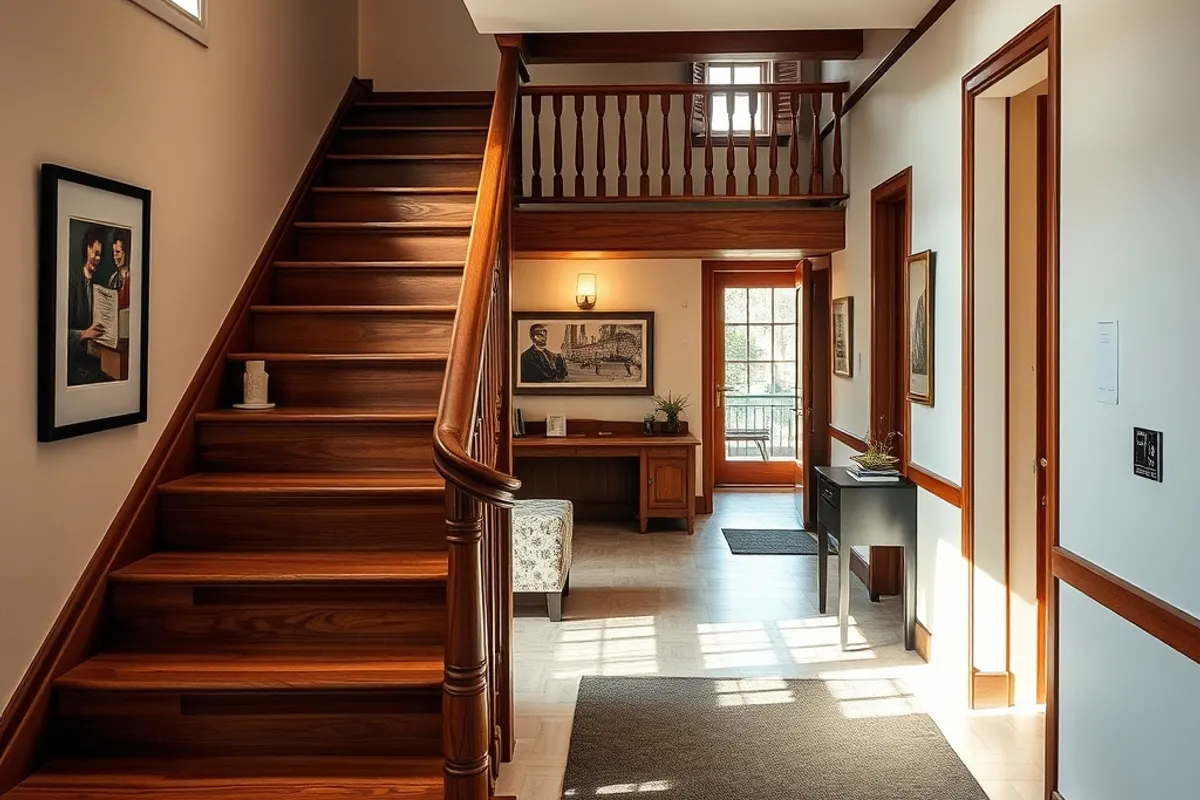
Look for a grocery store, a pharmacy, and a bus stop within ten minutes. In Lisbon, that short walk often means the difference between a relaxed start and a rushed one. Ask the property about hill height and stairs. A beautiful room at the top of a steep street still means a tiring climb each evening.

Read The Room Description Like A Checklist
Small properties rarely have ten identical rooms. One may face the street. Another sits above the kitchen. The listing usually hints at this in plain words. Read every line, then write down what matters to you. Window, bed size, floor, and bathroom type should top the list.
If the description is vague, send one short message. Ask which room is quietest and whether it has a real window. Ask how many steps lead to it. A clear reply tells you a lot about how the team handles guest questions. A slow or vague reply is useful information too.
Check The Bed, Bathroom, And Storage
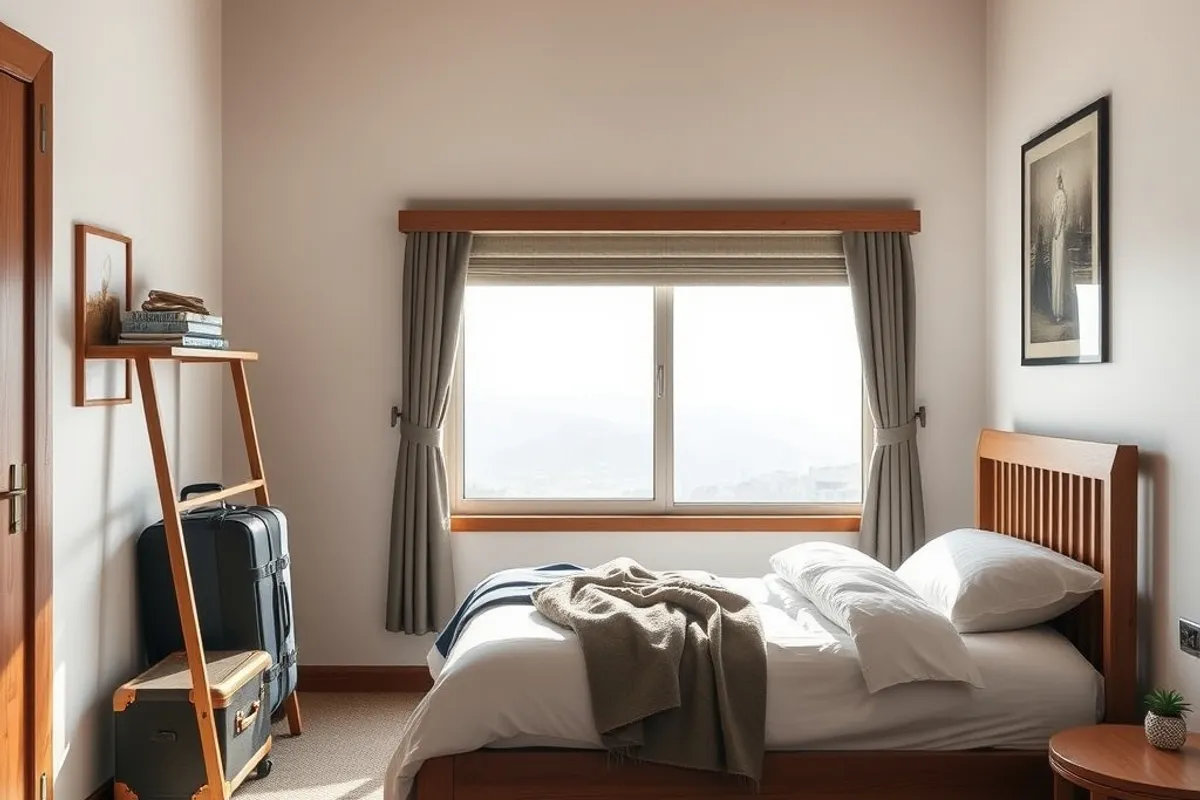
A character room often trades a closet for an old armoire or an open rail. That works for a weekend. It gets old on a ten-night stay. Look at the photos for luggage space and a place to hang wet clothes. Count the hooks near the door and bathroom.
Check the bathroom next. A walk-in shower sounds fine until you need a bath for a child. Note whether the sink sits inside the bathroom or in the room. Read recent notes about hot water and water pressure. Those details matter more than the tile pattern.
Ask About Noise And Light Before You Book
Old buildings settle, and city streets start early. Ask what sits below and beside your room. A bar, a bakery, or a bus lane changes your sleep plan. Request a courtyard side when you can. Bring earplugs anyway, even for a highly rated stay.
Light matters just as much. Check whether the curtains block morning sun. In summer, a west-facing room can stay warm well past midnight. Ask if the room has air conditioning or a fan. If the answer is no, plan your sightseeing around the hottest hours.
Look At Service Hours And Housekeeping
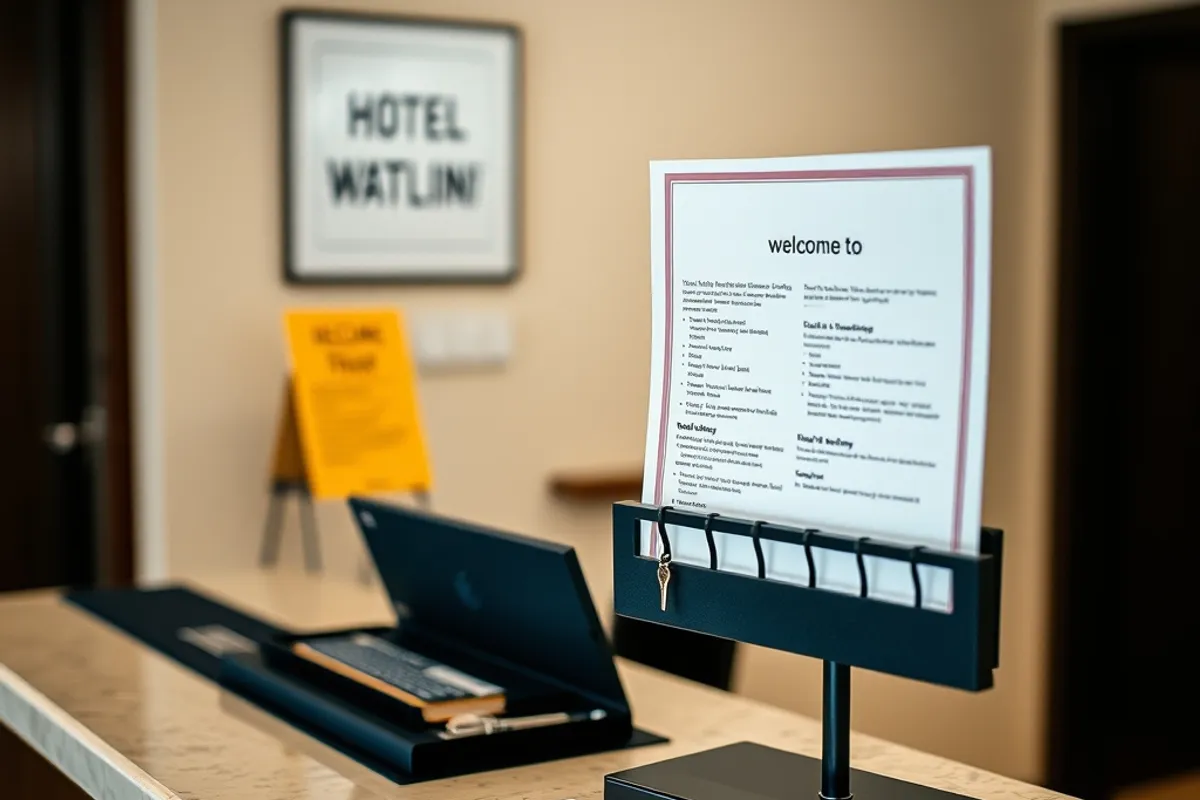
A small front desk is not staffed all night. Ask how late someone is available and how late check-in runs. If you land after midnight, get written instructions for entry. Save the phone number before you leave home, not after you are standing outside.
Housekeeping follows a similar pattern. Some properties clean every day. Others clean every third day or on request. Ask what is included and how to request fresh towels. Also ask whether breakfast needs a booking the night before. Small teams plan around firm numbers.
Compare The Full Price, Not The Headline Rate
The nightly rate is only part of the bill. Add city tax, cleaning fees, and breakfast before you compare two stays. Ask about the cost of a late checkout. That extra hour can save a paid luggage storage slot or a rushed morning at the station.
Then check the cancellation terms. A cheaper room that cannot be changed may cost more in the end. Note the deadline in your calendar the day you book. Also look at what is included. A kettle, laundry service, or included breakfast can be worth a higher rate.
Book Directly And Keep A Paper Copy
Once you choose, book through the property when you can. Direct bookings often come with a better room or a flexible date change. Ask what the direct rate includes. Then pay with a card that offers clear dispute rules and keep the receipt.
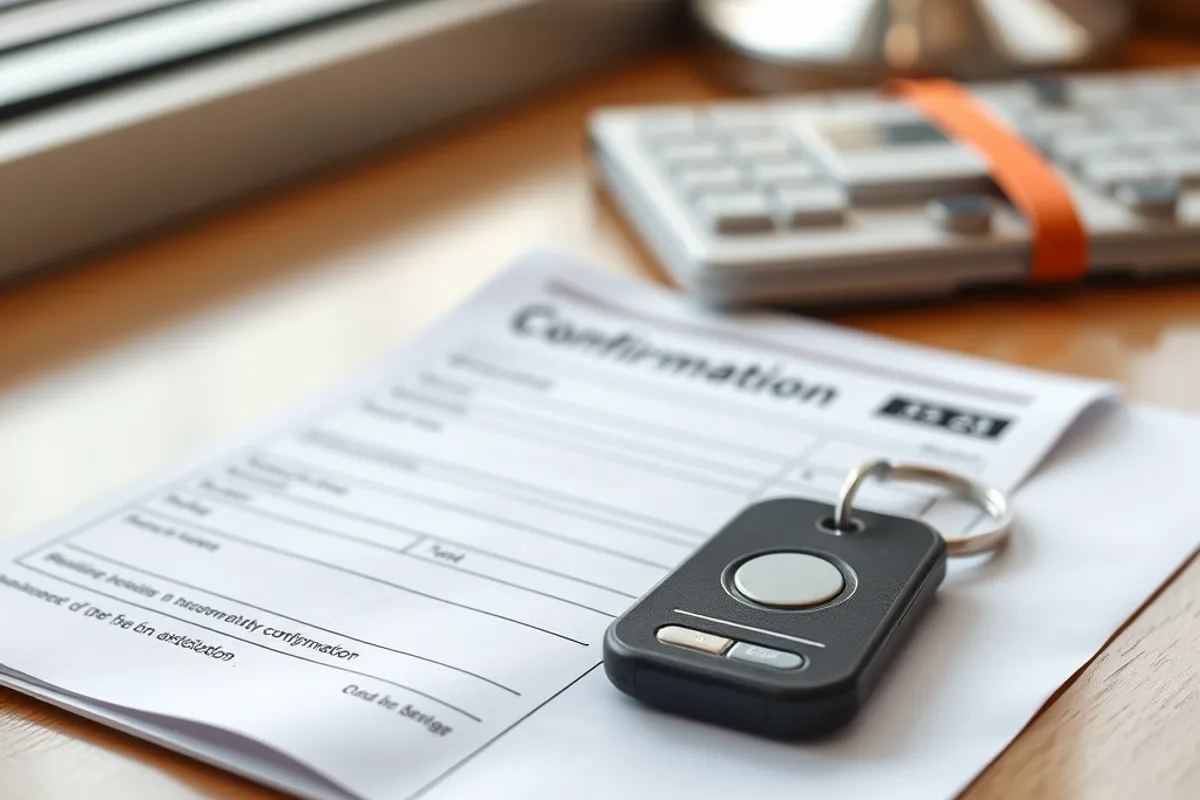
Save the confirmation as a file and print it. Small hotels lose booking records during busy weeks. A printed page with your dates and room type ends that argument fast. Send the property your arrival time a day ahead. Bradley Reines recommends saving these checks for your next booking.
A small hotel is a good choice when you know what it cannot change. Old walls, steep stairs, and short desk hours are fine once you plan around them.
More hotels and stays guidesChoosing the right roomLisbon weekend guideSustainable development guidance