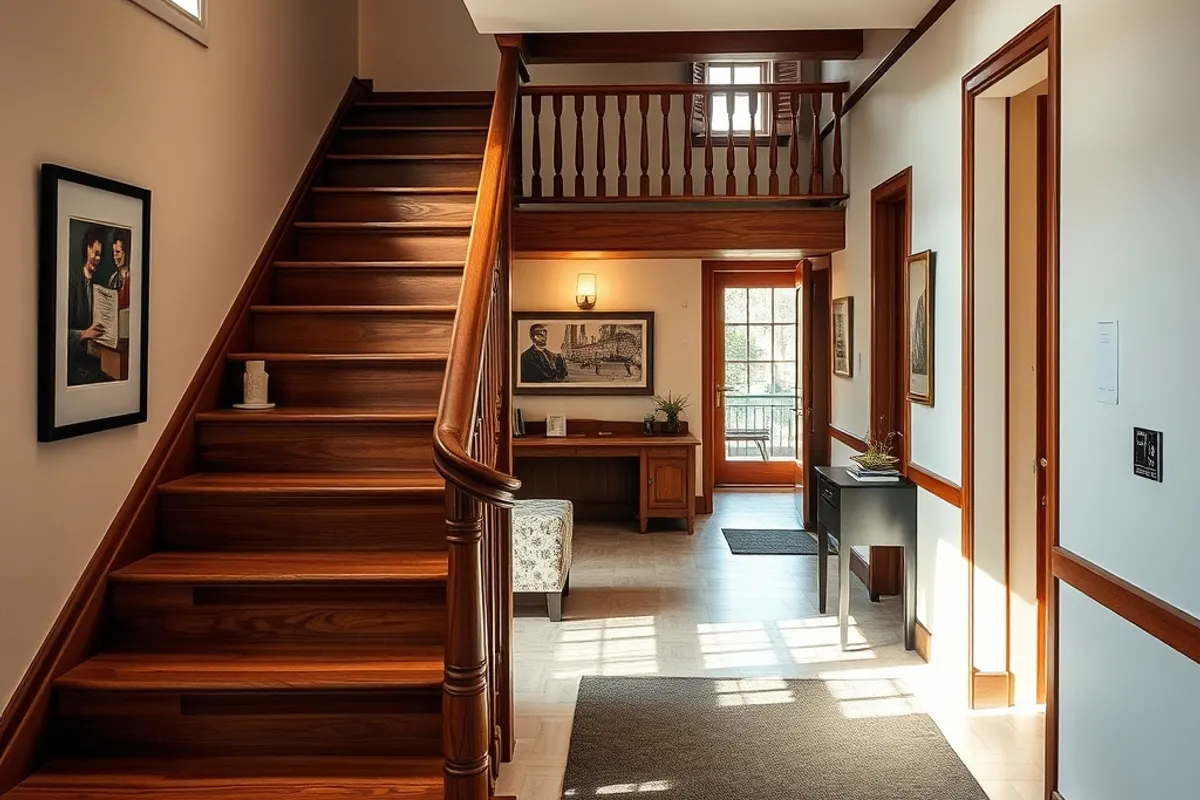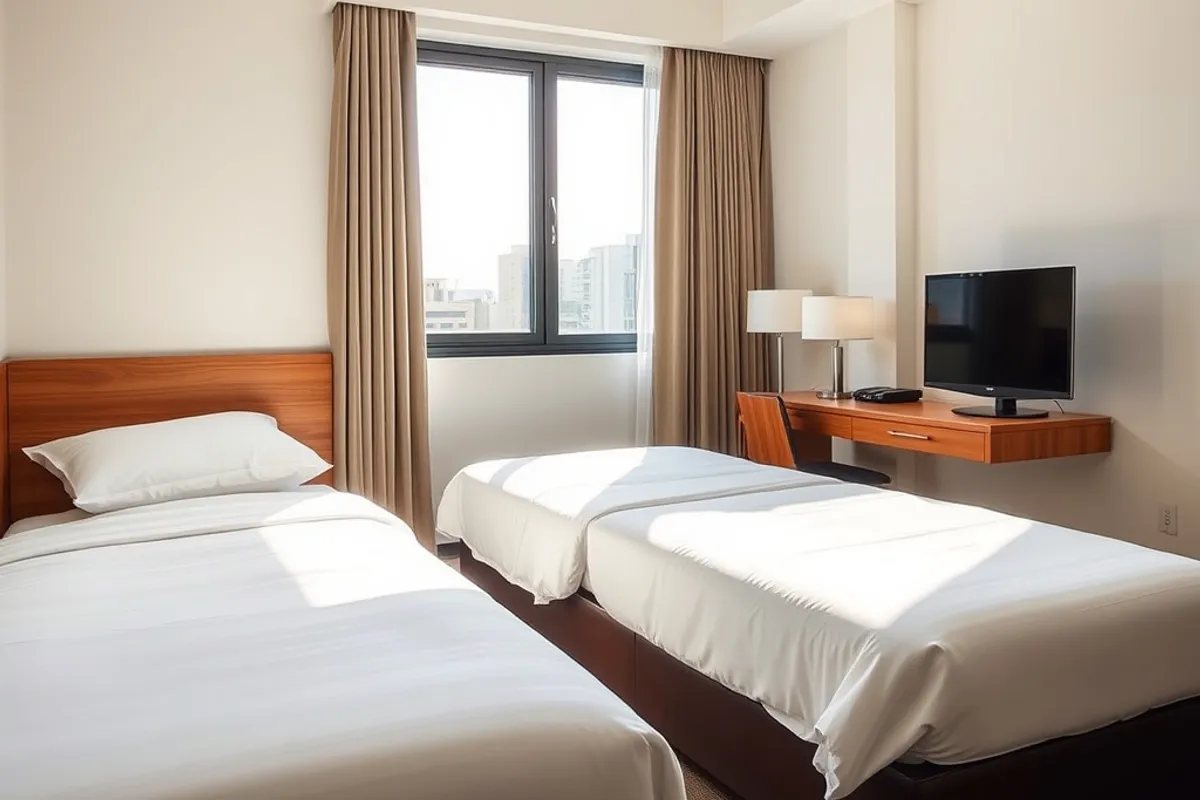
Start with the facts that affect sleep and space. Bed size, floor, window direction, and bathroom type matter more than decorative words. Add the full price and the cancellation rule. Those details decide whether a stay feels easy or annoying.
This guide sets out a simple order of checks. Use it for a short city break or a longer trip. Each question takes a minute and can be sent in one short message to the property.
Decode The Room Names First
Hotel listings use short labels that vary by property. A superior room at one hotel may be smaller than a standard room at another. Ignore the label at first. Look at the square meters, the bed layout, and the floor. Those three facts tell you more than any marketing word.
Write them down for each option you like. Two columns with the same basic facts make comparison quick. You will spot the overpriced room within a minute. You will also see when a higher rate really buys more space or a better location inside the building.
Match The Bed To The People Sleeping In It
Start with who is sleeping in the room. Two friends may prefer twin beds. A couple may want one large bed with enough space on both sides. Check the real measurements instead of the words. A double bed can mean one small mattress in some listings.
Families need a second check. Ask if a sofa bed comes with a proper mattress and fresh linen. Find out whether the room fits a cot without blocking the door. Also ask where a child would sleep if the sofa opens at night. Plan for the whole night, not just the photo.
Read The Floor Plan And The Window
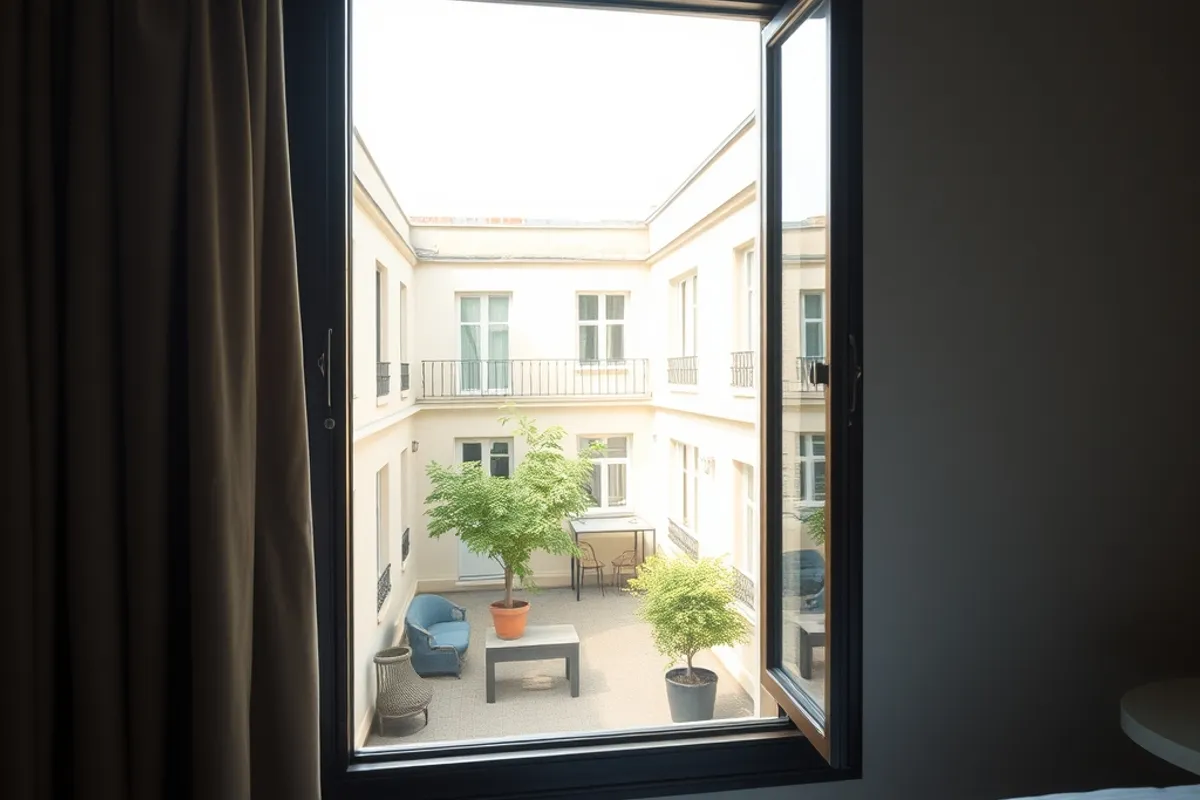
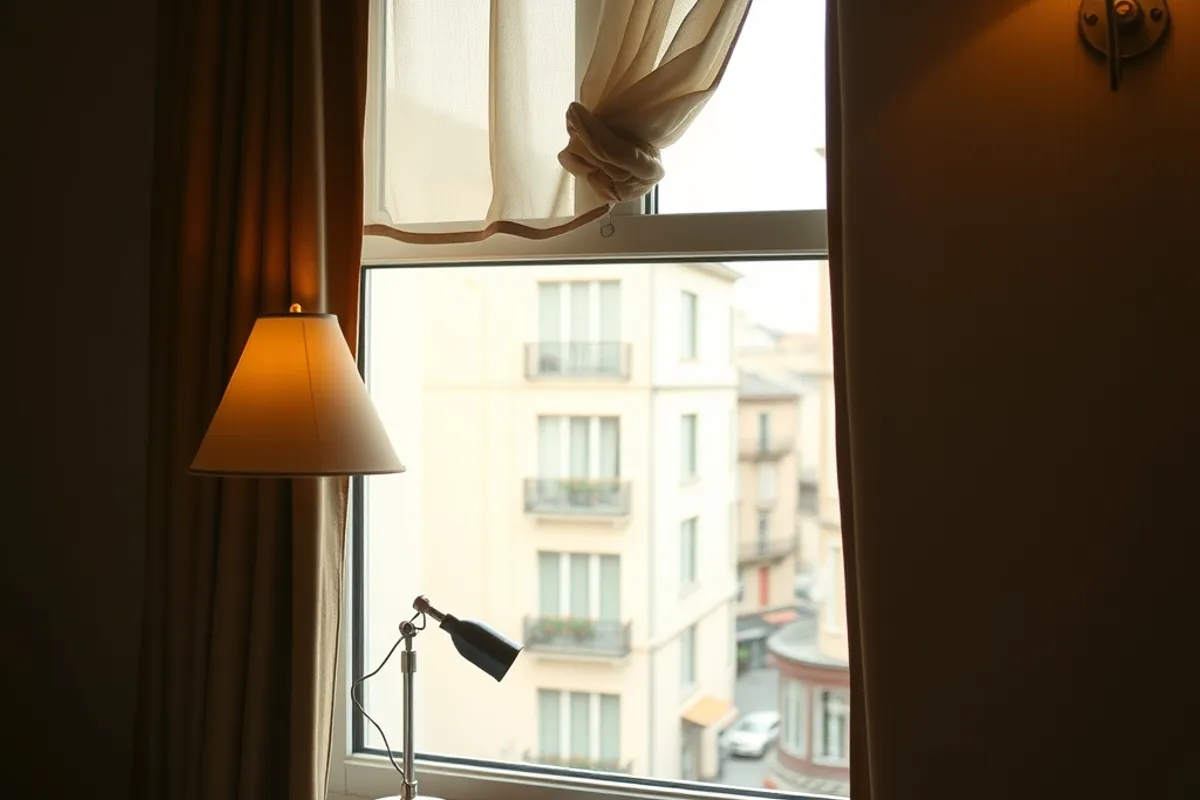
A window changes a room more than any other feature. Ask which way it faces and what sits outside. A park view in the morning can turn into a busy road by evening. Request a room on an upper floor if street noise worries you.
Study the floor plan before you commit. Note the lift, the stairs, and the distance from reception. A corner room may have two windows and less shared wall. That can mean more light and more privacy. It can also mean less insulation in winter, so ask about heating.
Decide What You Need In The Bathroom
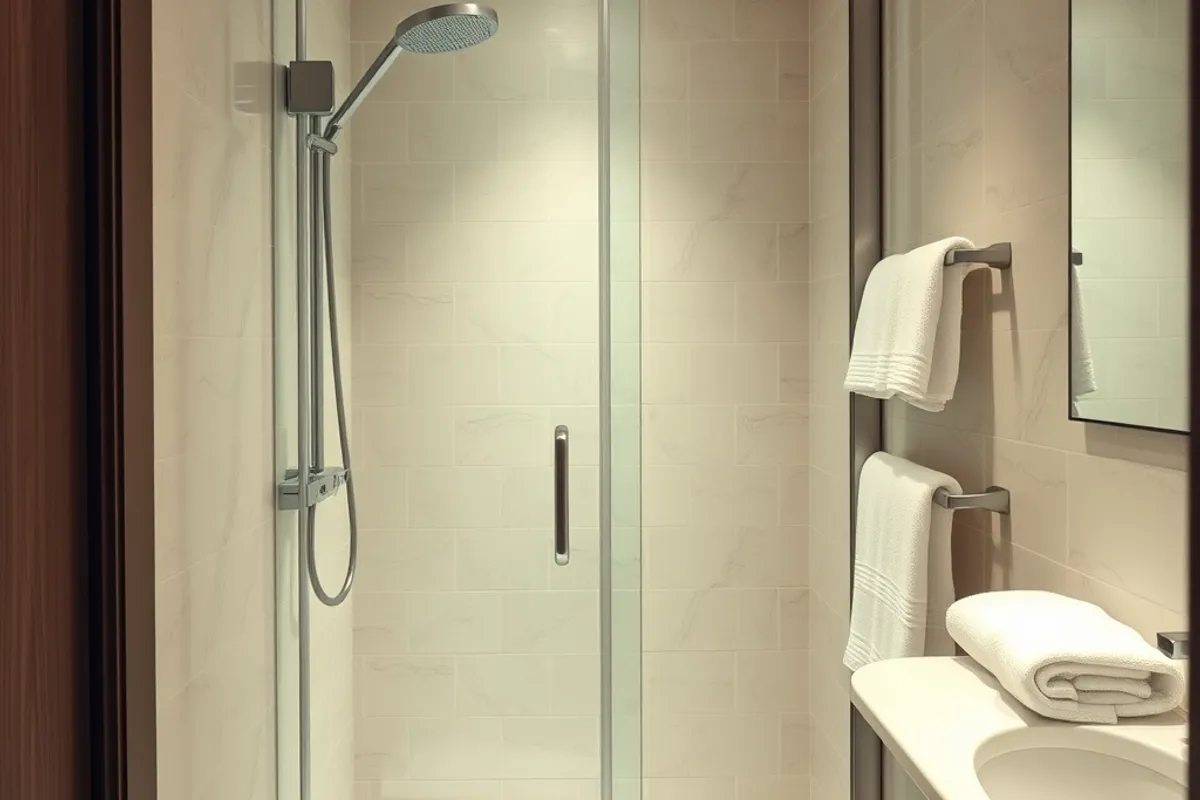
Bathrooms cause more complaints than beds. Decide what you need before you read the photos. A walk-in shower suits a short stay. A bath helps with children or tired legs after a long walk. If either matters, confirm it in writing.
Check the small details next. Is there a shelf for two toiletry bags? Does the shower have steady hot water? Where does the towel go? Recent guest notes are useful here. Look for repeated comments about water pressure or a missing fan. One complaint may be bad luck. The same comment five times is a pattern.
Think About Noise, Heat, And Light
Sleep is the part of a stay you cannot redo. Ask what is under, above, and beside the room. Kitchens, bars, and lift shafts all carry noise. In older hotels, sound travels through wooden floors. Bring earplugs as a backup even after a good answer.
Heat and light follow the same logic. A top floor room stays warmer in July. A room above a street lamp never gets fully dark. Ask for blackout curtains and a fan if air conditioning is not listed. Then plan your day around the coolest hours.
Count The Extra Fees Before You Compare
Two rooms with the same rate can cost different amounts at checkout. Add the city tax, the cleaning fee, and breakfast. Check whether Wi-Fi is free or charged per day. Ask about parking, minibar use, and late checkout. Write the full number next to each option.
Then read the cancellation rule. A flexible room may cost a little more and save you money if plans change. Note the last day you can cancel without a fee. Also check what happens if you arrive late. Some hotels release a room without a deposit after a certain hour.
Use The Right Questions And Keep Proof
Send two short questions before you pay. Ask which room is quietest and what time check-in closes. A helpful answer tells you how the team runs the property. Keep the reply in your email so you can refer to it later.
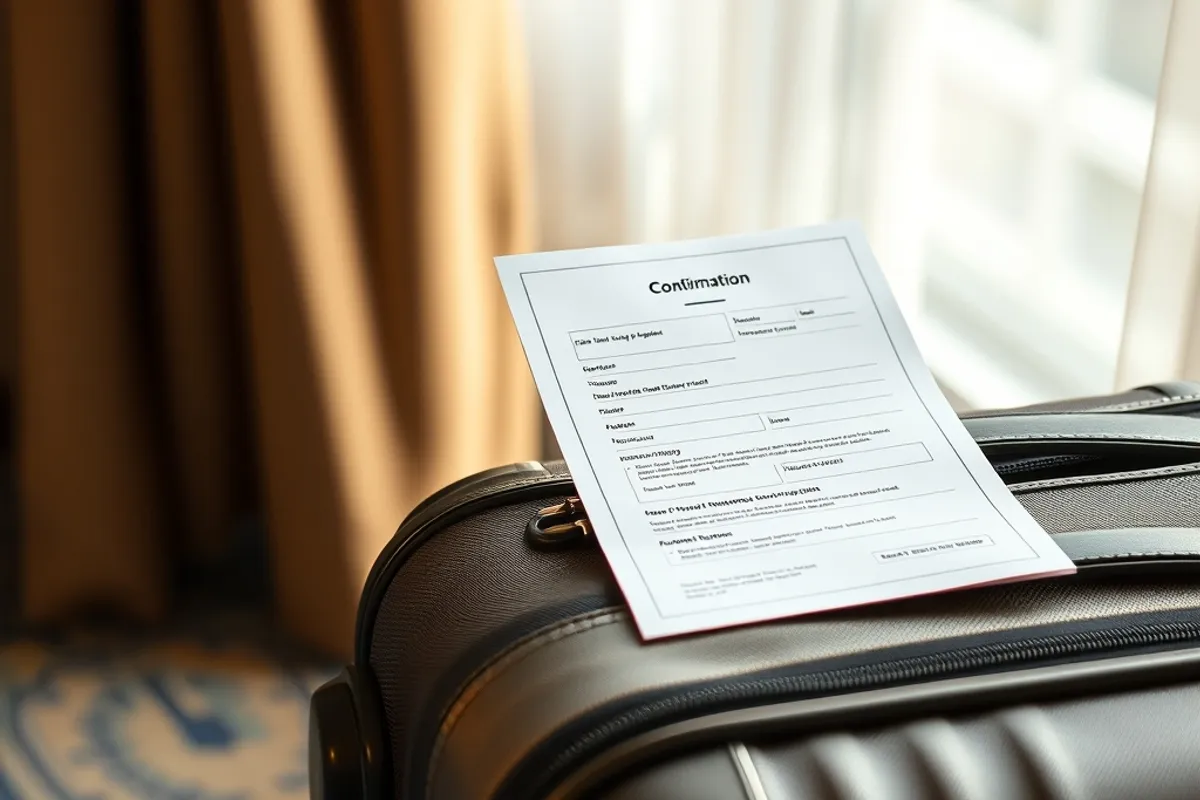
After booking, save the confirmation offline and carry a printed copy. Check the room type on the page matches what you agreed. If it does not, call before you travel. Bradley Reines suggests a five-minute check at this stage. It prevents most problems at the desk.
The right room is not the largest one on the list. It is the one that matches how you sleep, wash, work, and unpack each day.
All hotels and stays guidesBoutique stays with characterPacking for long weekendsSustainable development guidance