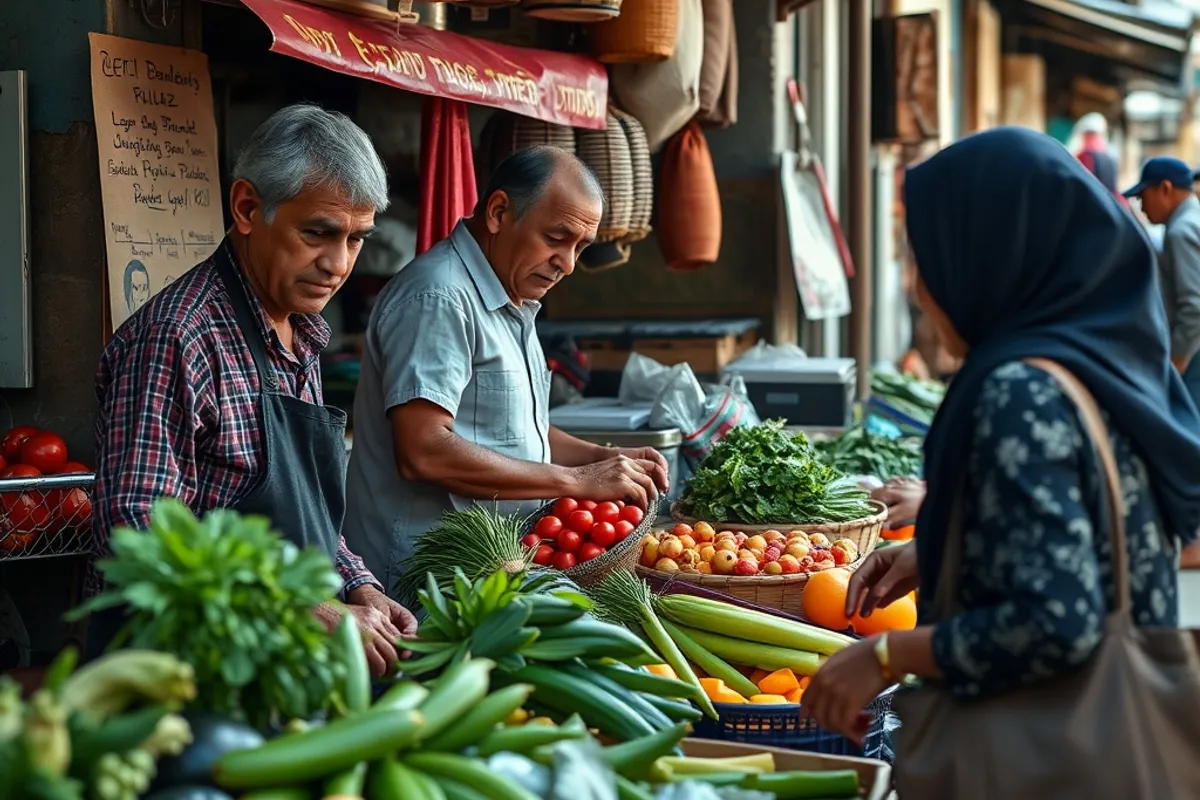
Sustainable travel means asking who benefits from your stay. A family guesthouse, a local guide, and a market vendor all keep more of what you spend. That money pays for school fees, repairs, and steady work.
This guide shows where to put your money and how to ask the right questions. The steps are practical and work in any budget. You do not need to spend more. You only need to spend with care.
Sleep in Locally Owned Rooms
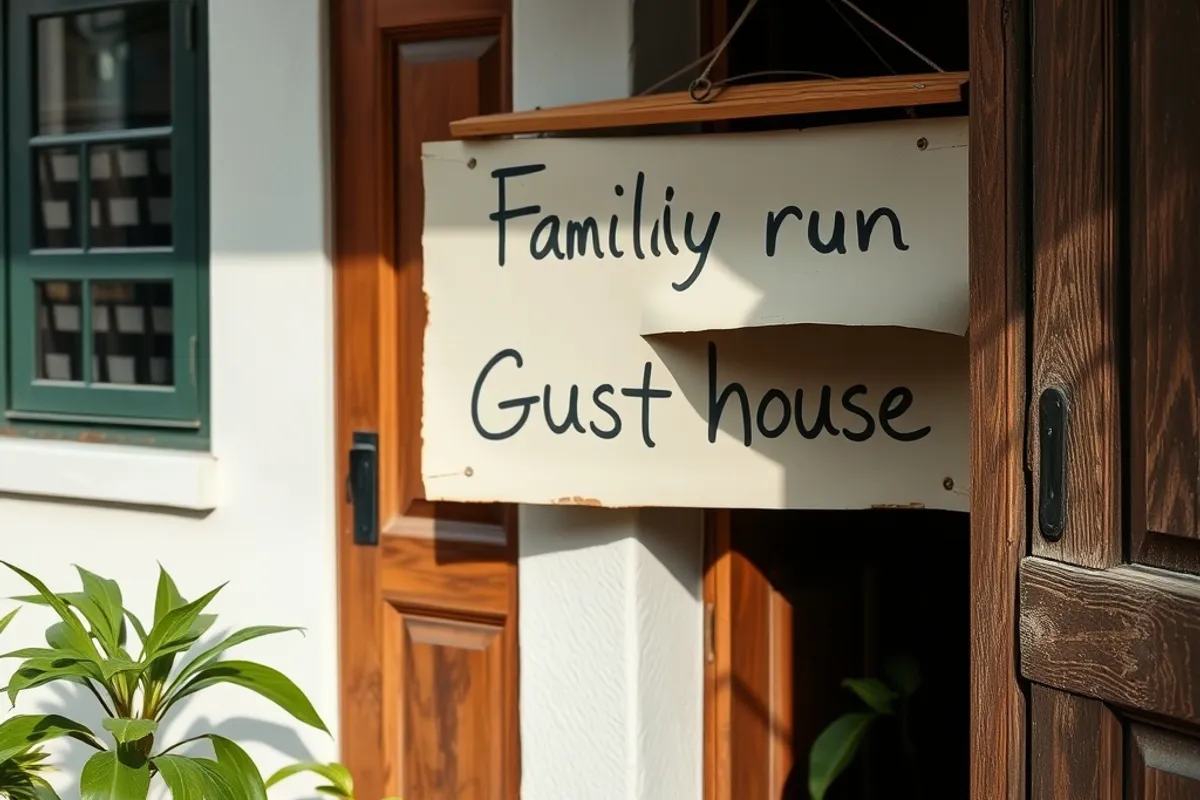
Look for a guesthouse owned by people who live in the same town. Their income stays nearby and goes straight into local wages and supplies. Ask the owner where they buy linen and food. The answer tells you a lot.
Check who cleans the rooms and whether they are paid fairly. Small places often employ neighbors on steady contracts. If the staff change every week and no one can answer your question, look elsewhere.
Hire Guides Who Live There
A local guide knows which streets are safe, which shops are fair, and when a site is quiet. That knowledge saves you time and keeps your fee in the community. Book directly through the guide or a small local office.
Ask about group size and what the price includes. A clear answer is a good sign. Welcome questions about wages and permits too. A guide who works legally is easier to recommend and safer to travel with.
If you book online, look for a local operator rather than a global reseller. The listing may be smaller, but the guide keeps a larger share. Ask for a direct contact before you pay.
Eat at Family Tables and Markets
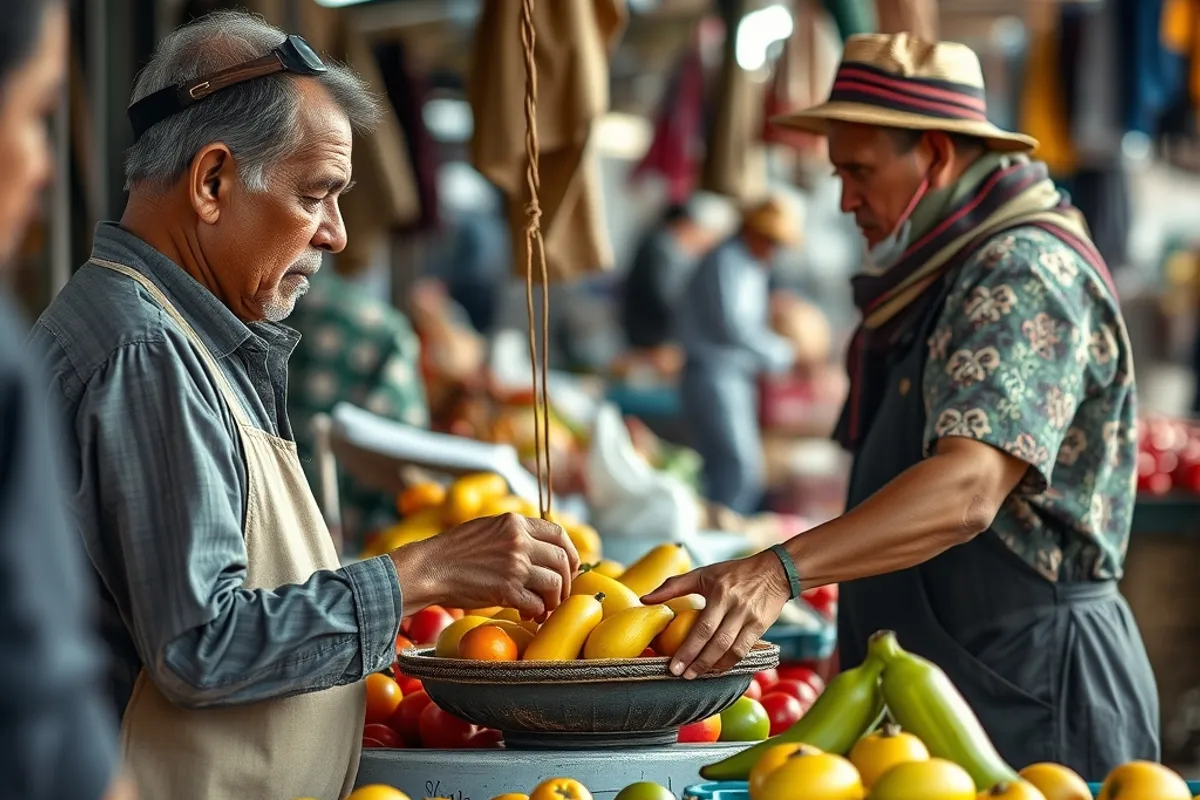
Street stalls and family restaurants usually buy from nearby farms. Your meal supports the cook, the farmer, and the person who delivers both. Point at what looks fresh and ask how it was cooked.
Markets are even more direct. Buy fruit from the grower rather than a reseller. Bring your own bag and small notes so the seller does not struggle with change. A short chat goes a long way.
Buy Goods Made Close By
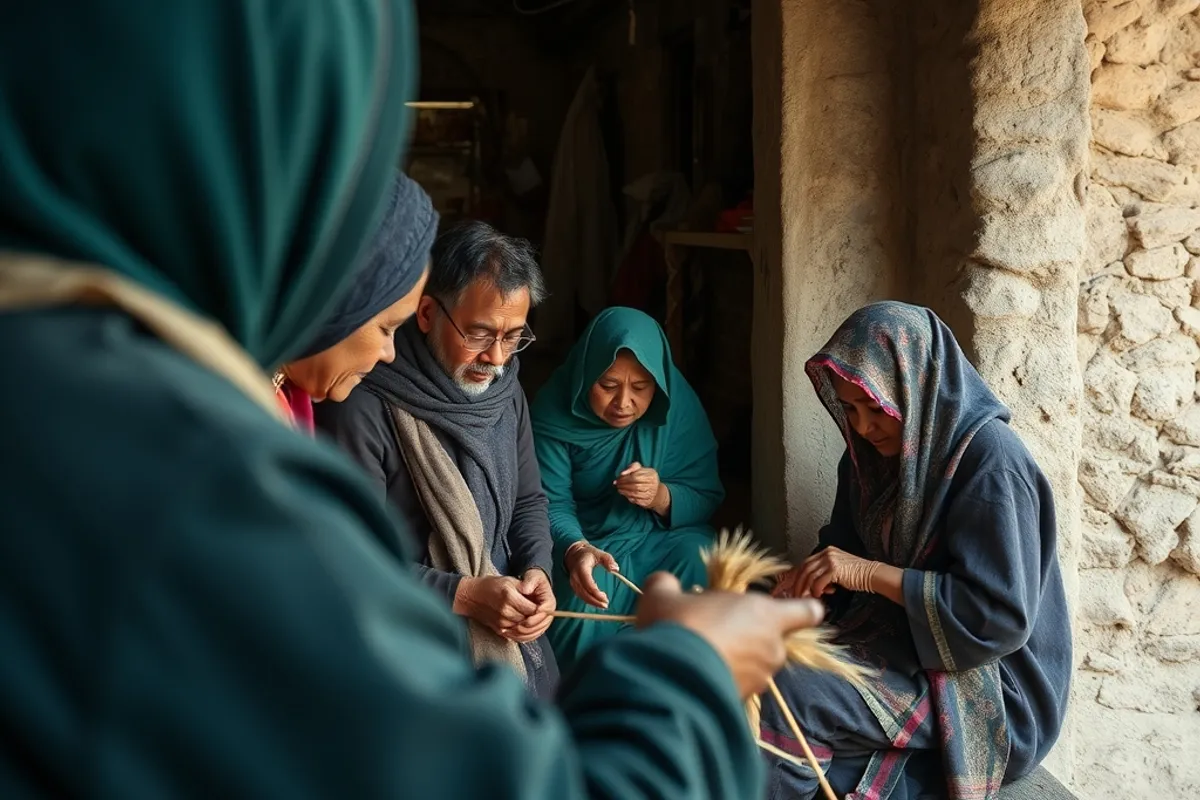
Skip souvenir lines stamped with the country name. Look for workshops where you can watch an item being made. Handmade goods carry a higher price, but most of that money reaches the maker.
Ask whether the material comes from the region. A basket made from local reed or a cloth dyed with local plants keeps value in the area. Pack it in your carry-on and avoid extra shipping.
Bargaining has its place, but do not push a maker below a fair price. A few coins mean little to your budget and a lot to their day. Pay the asking price when it is honest.
Choose Tours That Keep Fees Local
Trace where your tour fee goes before you pay. Small operators hire local drivers, cooks, and guides. Large brokers often take half and pass the rest on. Ask for a price breakdown and read it.
Watch for tours that bring crowds into a narrow street or feed wild animals for photos. These harm the place people call home. A responsible operator will limit group size and respect quiet hours.
Keep your questions short and polite. Ask who owns the van, who cooks the meal, and how many guests join. A fair operator answers without hesitation. If the reply is vague, spend your money where the answer is clear.
Learn a Few Words and Respect Local Rules
Learn how to say hello, thank you, and sorry in the local language. These few words change the tone of every interaction. People respond well when you make the effort, even if your accent is poor.
Dress for the place you are visiting, not for the photo you want. Cover shoulders or heads where it is expected. Ask before taking a picture of a person or a home. A quick question shows respect.
Read up on local customs before you arrive. A short guide from the library or a community website is enough. Knowing what is normal stops small mistakes and awkward moments.
Keep the Benefit After You Leave
Write a review that names the guesthouse, guide, or stall by hand. A clear review brings the next visitor to the same door. Avoid vague praise and say what made the service fair and worth the price.
Send a note to the owner when you get home. Many small businesses keep in touch with past guests. Returning as a repeat visitor is the strongest support you can offer, and it costs nothing extra.
Sustainable travel is measured in local incomes, not in miles flown. Every meal, room, and guided walk is a vote for the kind of tourism you want to see.
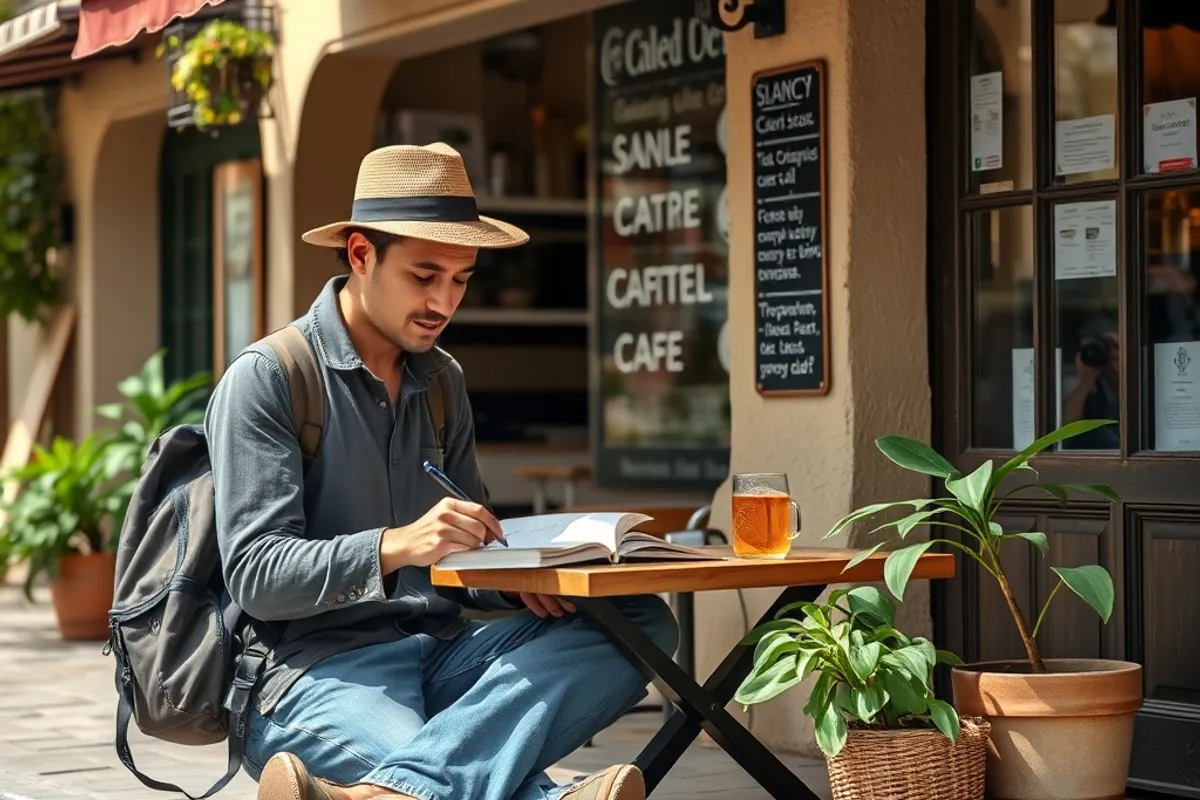
When you pay a local guide directly, the fee buys groceries in the same town you came to visit.
Markets and local flavorsMore Sustainable Travel guidesGlobal guidance on sustainable tourism