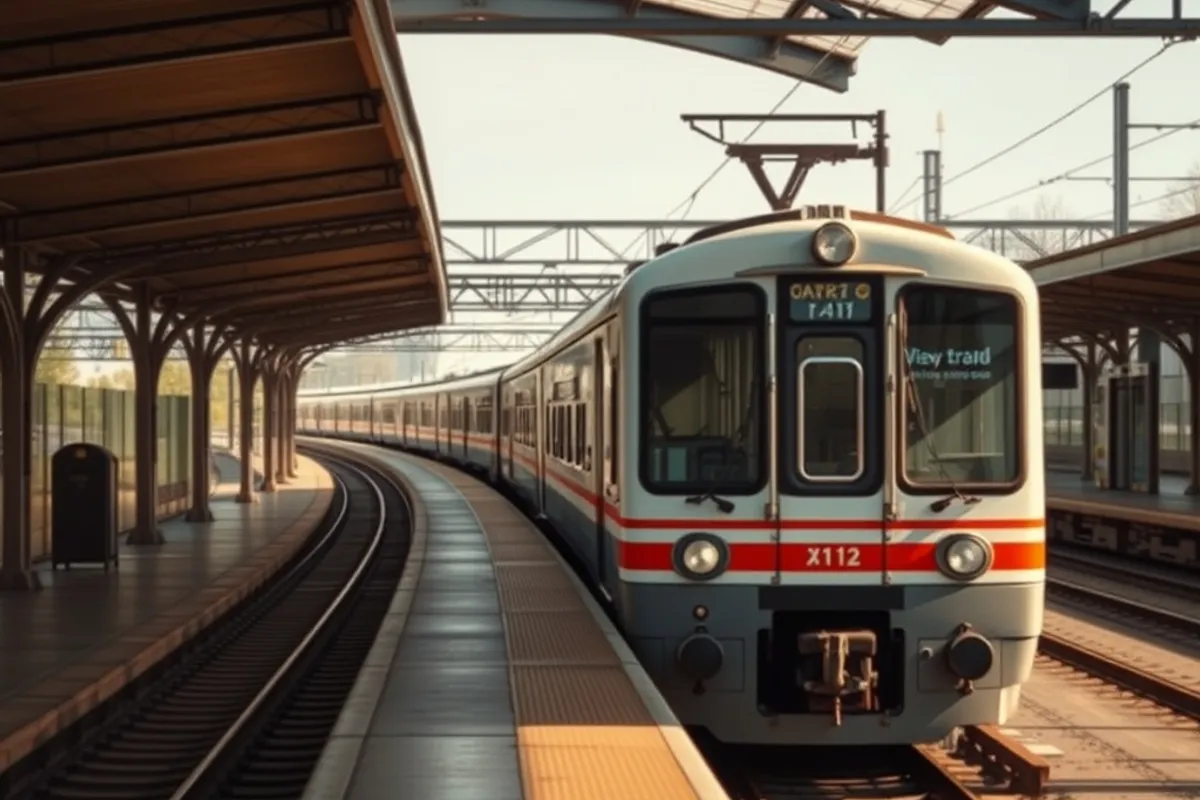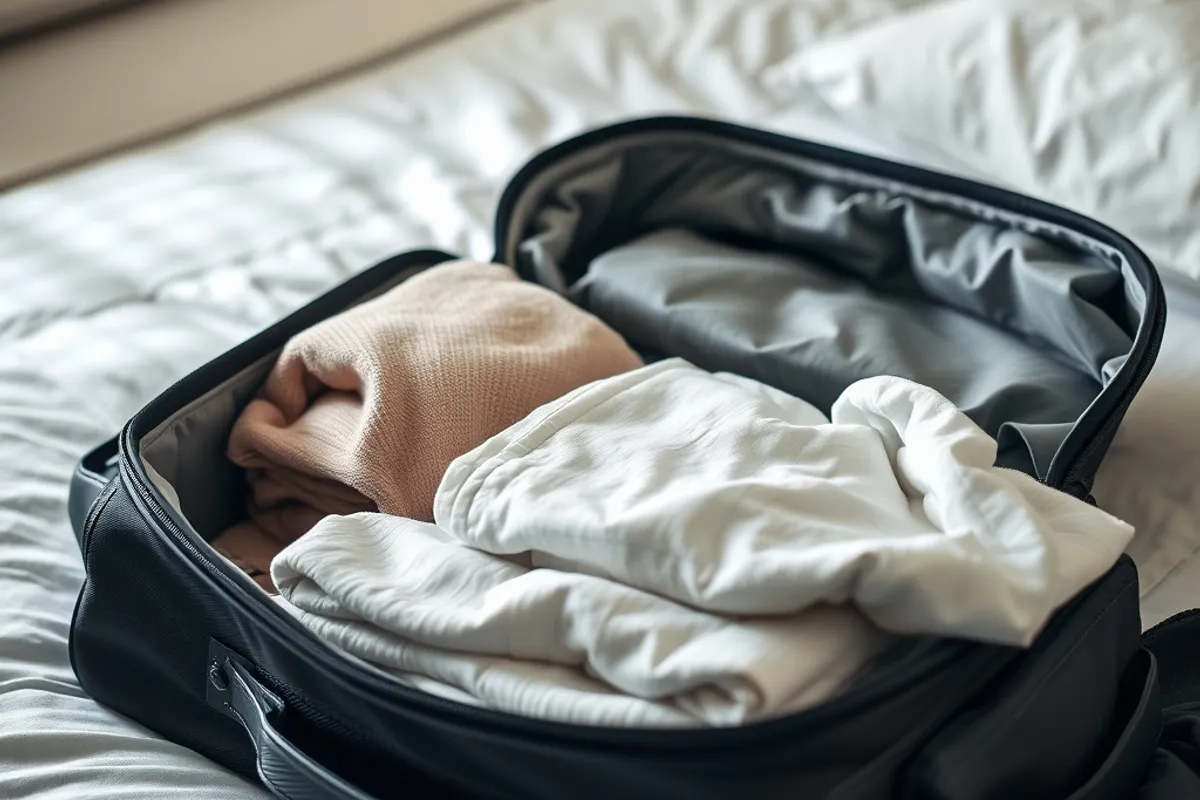
The goal is not to bring everything. The goal is to bring the right things. Start with the weather, the plans, and the walk you know you will take. Everything else is extra weight on the train and a mess on the hotel bed.
This guide breaks packing into simple choices. Each choice has a reason. Follow them and your bag will open neatly, close easily, and fit the trip you actually planned.
Start With the Trip You Planned
Write down what you will do before you touch a suitcase. A city walk needs good shoes. A beach day needs a towel and sun care. A family visit needs a gift or two. The list keeps you honest.
Look at the days, not the whole season. Three days of rain in one city is different from a wet week. Check the forecast a day before you leave. Then pack for that forecast, not for the worst possible week. Write the forecast on the same sheet.
Set a bag limit early. A small carry-on bag for two nights is enough for most people. A limit forces good choices. It also saves the fee at the airport and the struggle up the stairs. A smaller bag also fits under more seats and in more hotel corners.
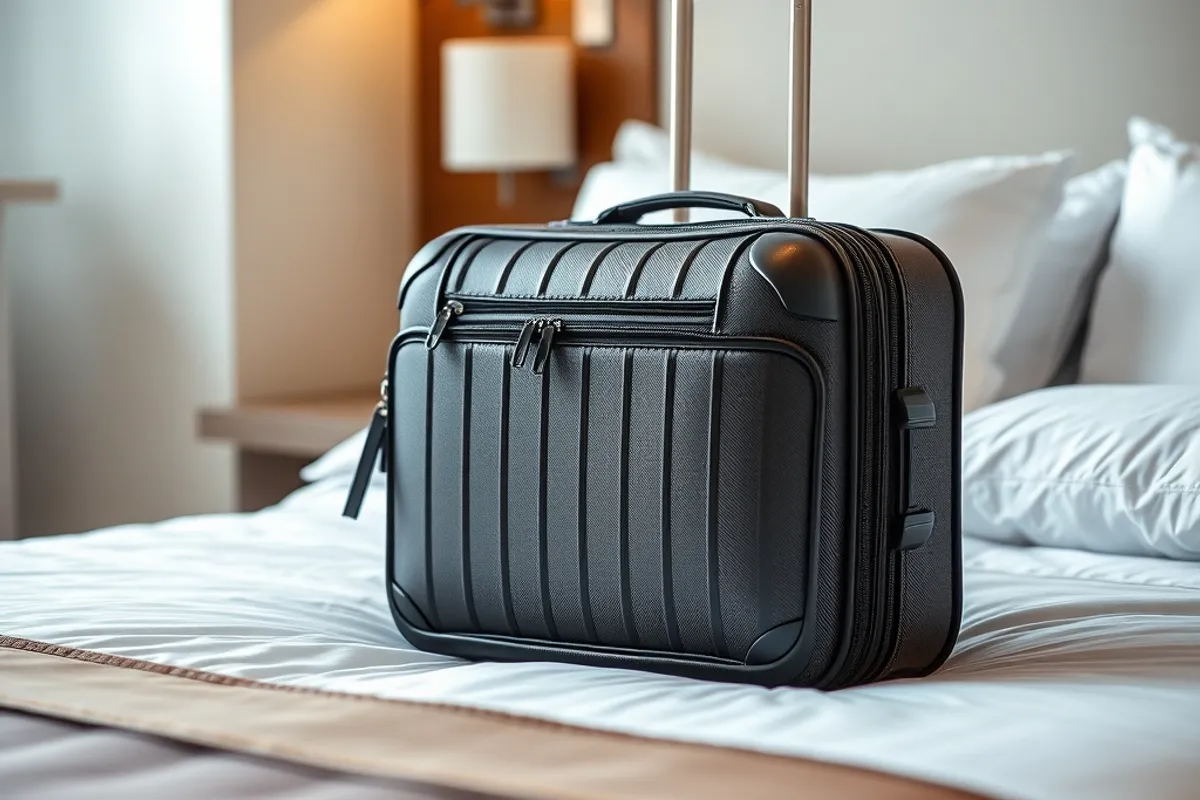
Build a Small Clothing Plan
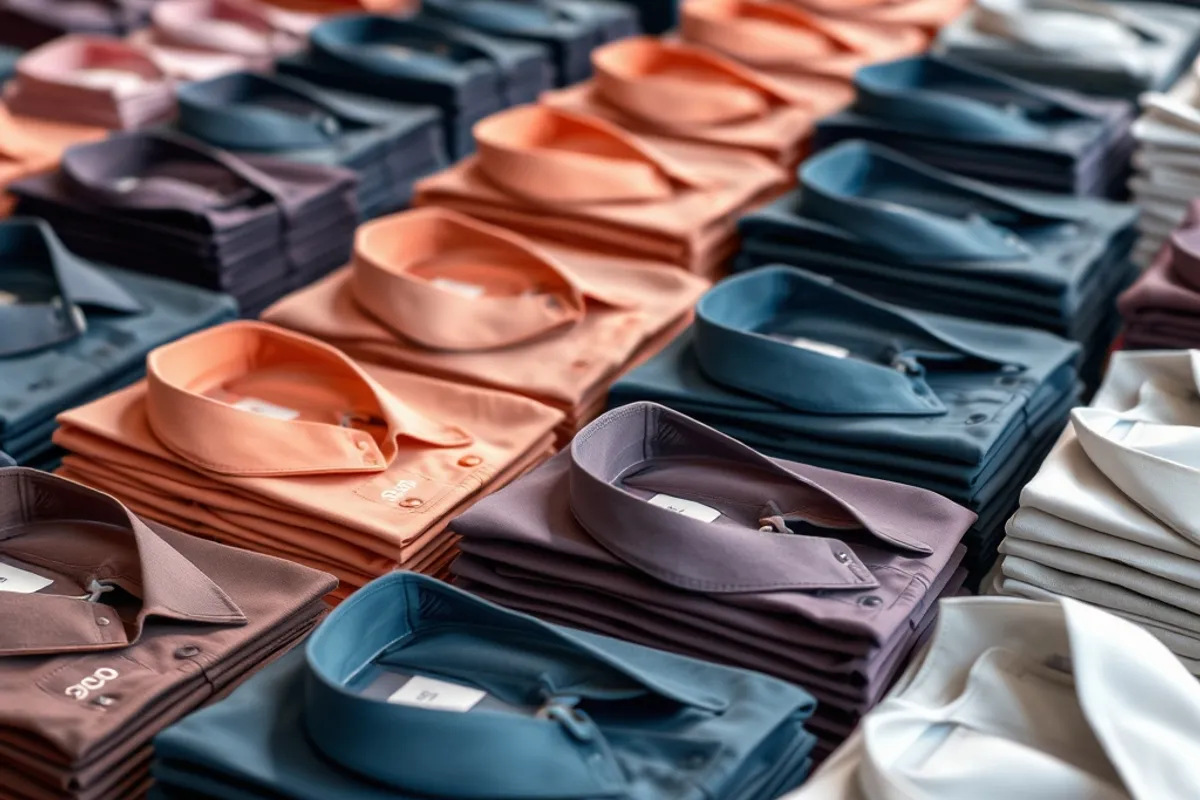
Choose one color family for the whole trip. Shirts, trousers, and layers in the same tones mix well. Two tops and one bottom can make four outfits when the colors work together. Neutral tones also make a single scarf look like a new outfit.
Pack layers instead of heavy coats. A thin sweater, a light jacket, and a scarf cover more situations than one thick coat. You can add or remove a layer as the day changes. That approach works in a cool city and on a warm train.
Count the days and add one spare set of underwear. Socks deserve the same rule. If laundry is available, take half and wash once. Hotel sinks handle small items well. Wash one set at night and it is dry by morning.
Shoes, Toiletries, and the Small Kit
Wear the bulkiest shoes on the journey. Save space for one pair of light shoes in the bag. Blisters ruin short trips fast, so break in any new pair at home first. Two pairs of shoes are enough for almost any short break.
Move liquids into small containers and keep them together in one pouch. A clear pouch makes security checks quick. Label each bottle so you do not guess at night. Keep the pouch near the top of the bag for the trip home.
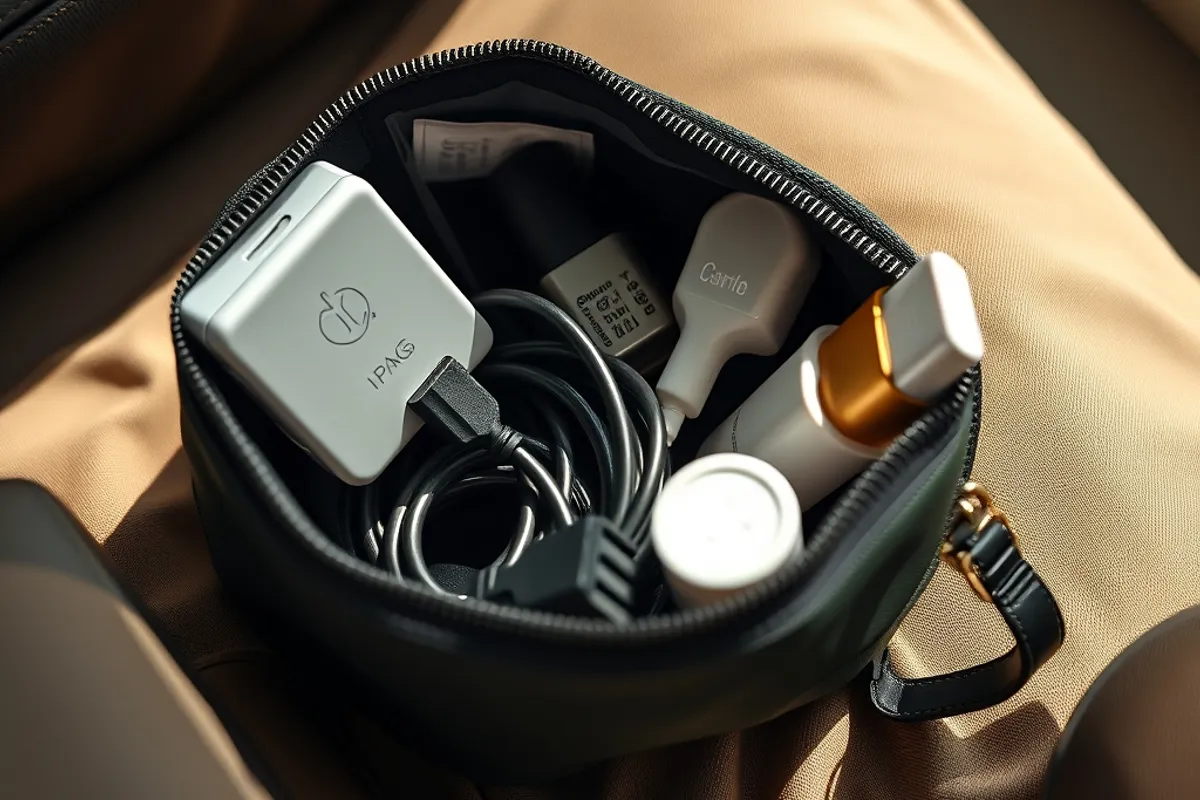
Make a small kit for the things you always forget. Include a charger, a spare cable, pain relief, and any regular medicine. Keep this kit in the same pocket every time. Rebuild that kit after every trip so it is never empty.
Fold and Pack in a Set Order
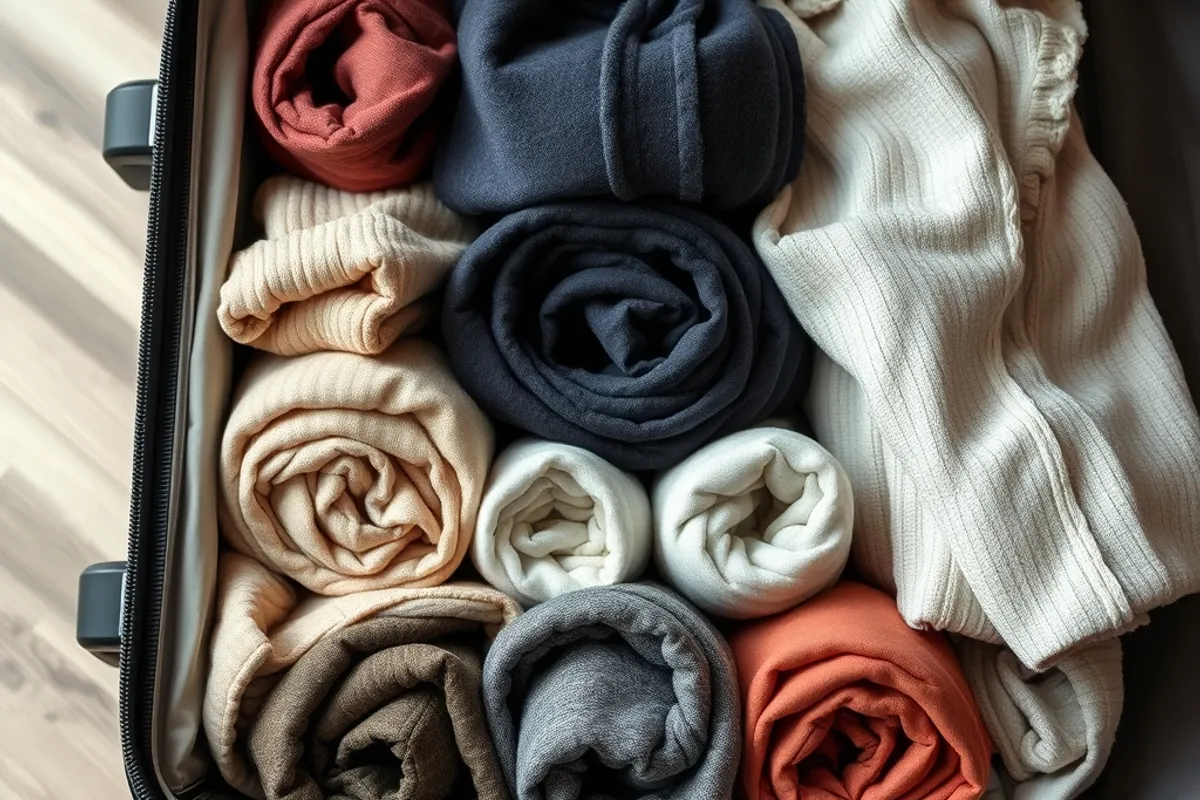
Roll soft clothes and fold stiff ones. Rolling saves space and reduces creases in shirts. Place heavy items at the bottom near the wheels. Keep the bag flat so it stands on its own. A packed bag that tips over will unpack itself on the platform.
Put the small kit and a change of clothes in the top layer. You may need them if a bag is delayed. Knowing where they are removes the stress of a late arrival.
Fill gaps with socks or a thin scarf. Empty space lets clothes shift and wrinkle. A full bag holds its shape and protects what is inside. This is the easiest way to avoid crumpled shirts.
Keep Valuables Close
Carry documents, money, keys, and a phone in one small bag that stays with you. Never place them in a checked case. A short trip still needs a clear plan for important items.
Take a photo of your ID and booking details before you leave. Store the copy in a safe place online. If a paper sheet is lost, the numbers are still there. Keep the copy offline if you expect weak signal.
Keep a little cash in a second pocket. Card readers fail, and small shops may prefer coins. Splitting your money means one loss does not end the day. Tell one person at home where you are staying.
Unpack, Reset, and Go Home Light
At the hotel, put the small kit in the same spot each night. A simple routine saves minutes in the morning. It also stops the slow search for a phone charger. The same spot also makes it simple to check that nothing is missing.
Use the spare set of clothes only when you need it. A spare is a backup, not a license to overpack. Bring home the items you never wore.
When you return, empty the bag the same day. Wash the clothes and restock the small kit. The next trip then starts with a ready bag instead of a fresh scramble.
A good bag is one you can lift, open, and understand in under a minute.
Rail travel in EuropeMarkets and local flavorsEuropean rail travel information