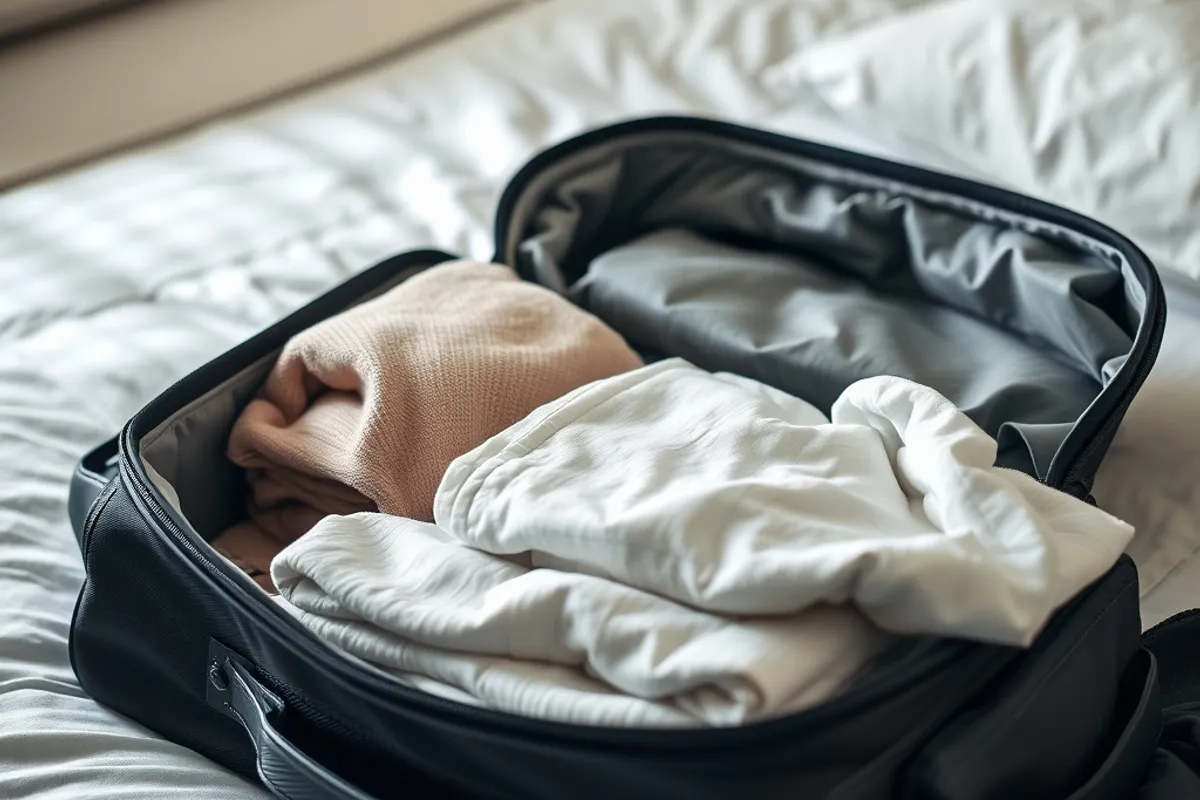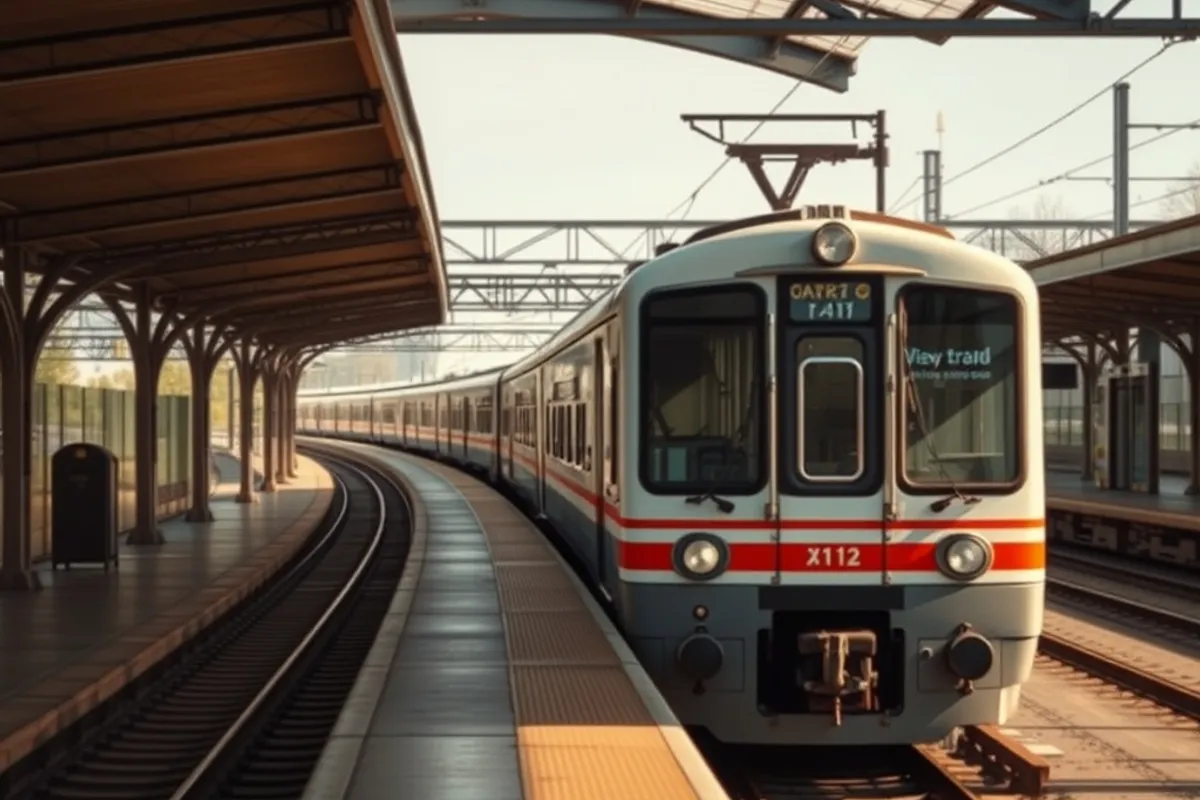
The first rail trip feels harder than it is. New signs, new platforms, and a pass with unfamiliar rules make simple tasks feel big. Learn a few habits and the whole system opens up. The good news is that each habit is easy to learn.
This guide explains the choices that matter. It covers when a pass pays off, when to book a seat, and how to move through a station without stress.
Decide If a Pass Fits Your Route
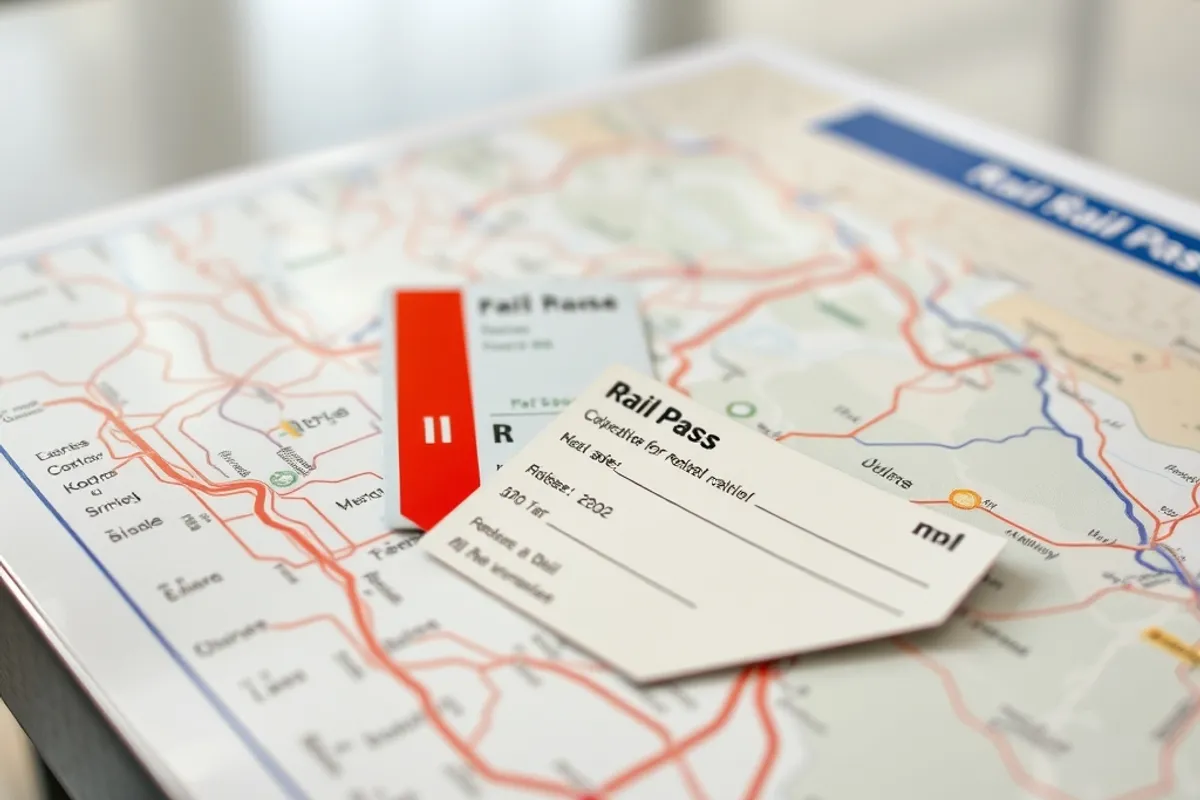
A rail pass works best when you take several long trips in a short time. Three or more rides across borders often cover the cost. One or two short rides usually do not. Short hops inside one country rarely need a pass.
Add up your likely fares before you buy. Write each leg and its typical price. Compare that total with the pass price for the days you will travel. The maths takes five minutes. Write the numbers in a column and add them twice.
Check which trains accept the pass. Some private lines and night trains have their own rules. A pass that is not valid on your route saves nothing. Ask at the station if the rule is not written clearly.
Book Seats on the Right Trains
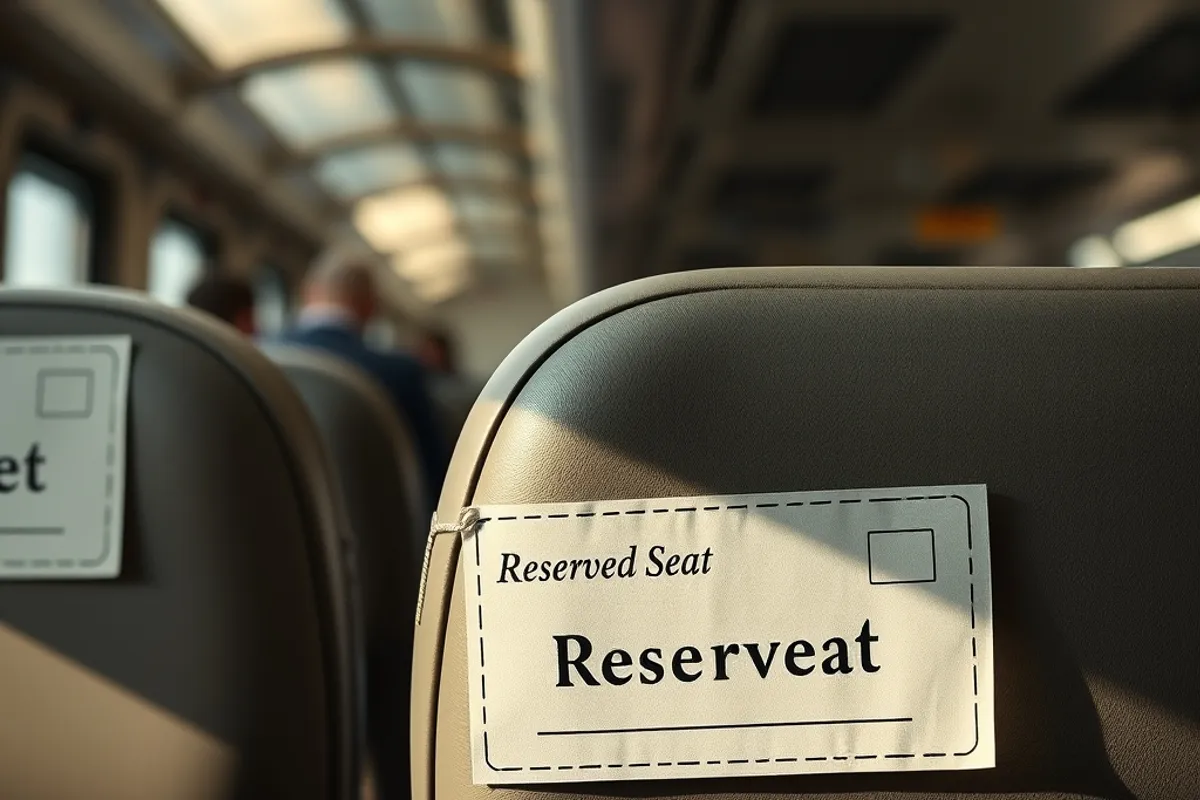
Many fast trains require a paid seat reservation even with a pass. Regional trains often do not. The rule depends on the country and the service, so read the ticket notes. The reservation fee is usually small compared with the fare.
Reserve early for popular routes and weekend afternoons. A free seat is not the same as a guaranteed seat. Standing for two hours is a poor start to a city break. A reserved seat also tells you which carriage to board.
Choose a window or aisle based on your plan. A window suits quiet reading and long views. An aisle suits short trips when you may stand early. A table seat is better if you plan to work or write.
Read the Station Before You Board
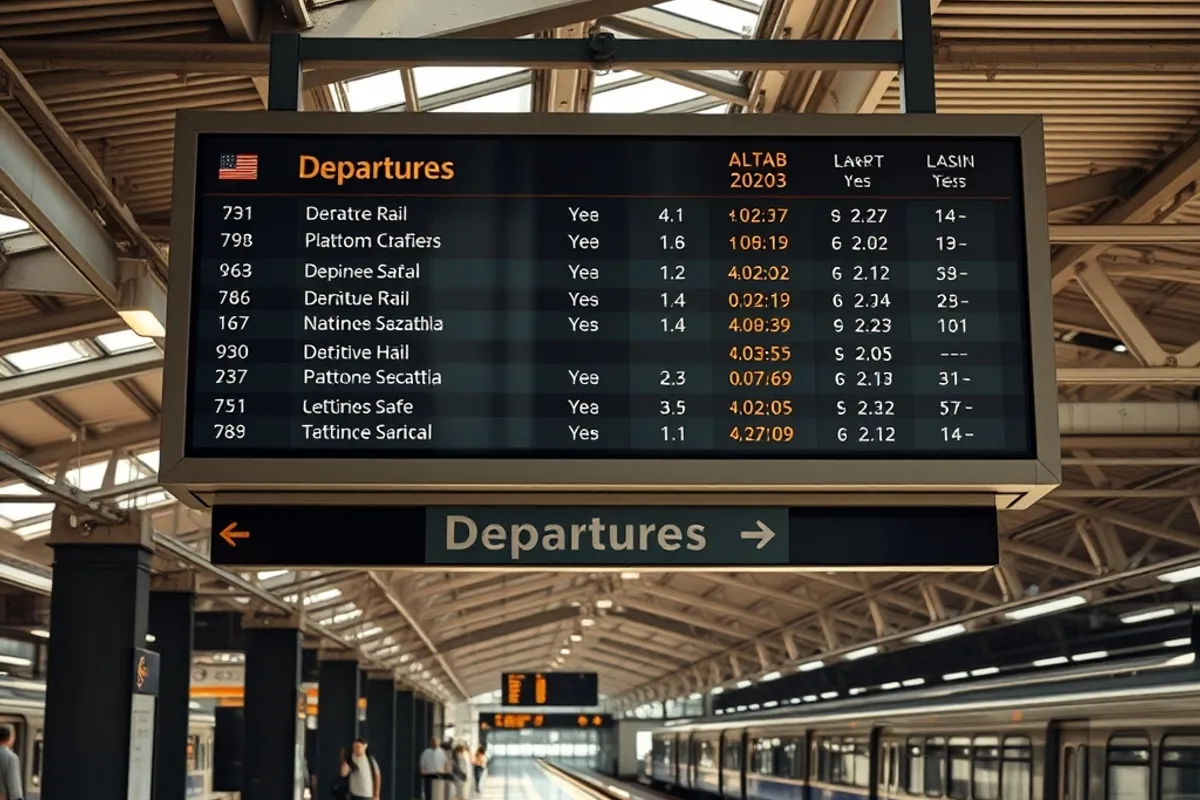
Arrive at the station twenty minutes early for a regional train. Give yourself more time in a large terminal. Find the platform board and confirm the track before you settle. Do not assume the track number from a previous trip.
Platforms can change without notice. Watch the board until the train is announced. Ask a station worker if the display is unclear. A wrong platform costs the whole connection. A polite question in the local language is usually enough.
Stand near the carriage shown on your reservation. Train doors open only at certain points. Moving along the platform once the train stops wastes precious minutes. Travelling light makes this step much faster.
Pack for the Hours Onboard
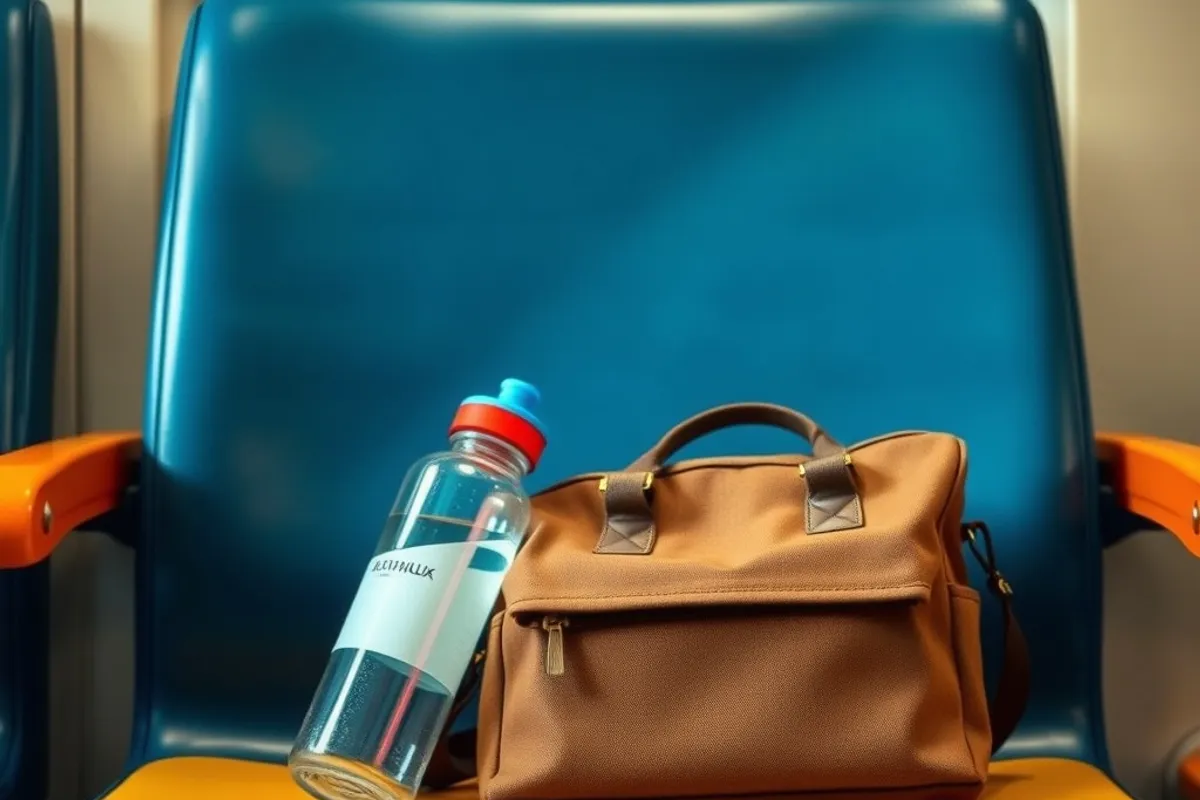
Bring water and a small snack for every long leg. Station shops close early in some places. A bottle and a bar of chocolate keep you steady between stops. Fruit and a sandwich are safer than a station meal at midnight.
Noise can be the hardest part of a rail day. Earplugs or headphones make a loud carriage manageable. A scarf also works as a pillow against the window. An eye mask also helps on a bright morning train.
Keep your bag where you can see it. Luggage racks at the carriage ends are useful but crowded. A small bag under the seat is calmer on a busy train. Keep the ticket in that same pocket so it is ready at check time.
Handle Connections and Delays
Leave a wide gap between two separate tickets. Trains run late, and a tight connection turns a delay into a missed ride. Ninety minutes is a safer cushion. Weather and engineering work cause most delays in summer.
If you miss a connection, find the station desk quickly. Staff can often place you on the next service. Keep your tickets ready so the conversation stays short. Ask in writing if you need proof for a later claim.
Save a backup plan for each travel day. Know the name of the next town and the hotel address. A delay is easier when the next step is already written down. A saved map and a hotel address are enough for most situations.
Arrive in the City With Energy
Eat before you reach your destination if the train is late. A hungry arrival leads to poor choices and a late check-in. A small meal on board solves this. A calm arrival starts with a fed and rested body.
Check the last mile before you leave home. Some stations sit far from the centre. Know whether you need a metro ticket, a bus, or a short walk. Write the route down before the train pulls in.
Stretch when you step off. Long hours in a seat leave the body stiff. A five minute walk to the hotel clears the head and starts the visit well. Save the walk for the afternoon when the air feels better.
A rail pass is useful only when the route matches the pass. Count the trips before you buy.
Packing for long weekendsDining etiquette abroadEuropean rail travel information